10 Nutrients depleted by the Birth Control Pill

As Naturopathic Doctors, an area that we excel in is balancing our patients hormones (male or female). A common misconception that women have about their menstrual cycle is that the birth control pill (BCP) is prescribed to regulate their cycle. This couldn’t be further from the truth. It is important that medical professionals start referring to the birth control pill for what it is: a suppressive hormonal therapy that overrides the natural production of hormones. Also, women need to be aware that there are side effects to taking the BCP that can be life-threatening. These side effects include blood clots (which can lead to death1), breast cancer risk and depression. Less serious side effects include: headaches, dizziness, nausea, breast tenderness, break through bleeding and decreased libido. Also, the pill can deplete your nutritional status which ultimately exacerbates these side effects. The table2 below shows what nutrients are depleted by the BCP, the symptoms that occur due to nutrient deficiencies and food sources of the nutrient. With some nutrients, such as the B vitamins, Magnesium and vitamin C, supplementation will be necessary to get the number of milligrams required to restore function while you are taking the BCP. If you are using a copper IUD, it is especially important to supplement with zinc in order to offset the copper being absorbed. It is best to see an ND who can help you determine the appropriate doses for your individual needs.


Nutrients Depleted by BCP Symptoms and Problems Function in body Food sources
Vitamin B6 Depression, sleep and skin problems, increased cardiovascular disease risk, confusion, anxiety, fatigue Enzyme, protein metabolism, Red blood cell production, reduces, homocysteine, nerve & muscle cells, DNA/RNA, B12 absorption, immune function Poultry, tuna, salmon, shrimp, beef liver, lentils, soybeans, seeds, nuts, avocados, bananas, carrots, brown rice, bran, wheat germ, whole grain flour
Folic Acid Anemia, immune function, fatigue, insomnia, hair, high homocysteine, cardiovascular disease, birth defects, cervical dysplasia Mental health, infant DNA/RNA, adolescence & pregnancy, with B12 to regulate RBC production, iron function, reduce homocysteine Supplementation, fortified grains, tomato juice, green vegetables, black-eyed peas, lentils, beans
Vitamin B1 Depression, irritability, edema, heart, age-related cognitive decline, Alzheimer’s, fatigue Carbohydrate conversion, breaks down fats & protein, digestion, nervous system, skin, hair, eyes, mouth, liver, immune system Pork, organ meats, whole grain and enriched cereals, brown rice, wheat germ, bran, Brewer’s yeast, blackstrap molasses
Vitamin B2 Anemia, decreased free radical protection, cataracts, poor thyroid function, fatigue, muscle weakness, elevated homocysteine, nerves Metabolism, carbohydrate conversion, breaks down fats & protein, digestion, nervous system, skin, hair, eyes, mouth, liver Brewer’s yeast, almonds, organ meats, whole grains, wheat germ, mushrooms, soy, dairy, eggs, green vegetables
Vitamin B3 Cracking, scaling skin, swollen tongue, digestive problems, diarrhea, confusion, anxiety, fatigue, Energy, digestion, nervous system, skin, hair, eyes, liver, eliminates toxins, sex/stress hormones, improves circulation Beets, Brewer’s yeast, meat poultry, organ meats, fish, seeds, nuts
Vitamin B12 Anemia, fatigue, weakness, constipation, loss of appetite/weight, numbness and tingling in the hands and feet, depression, dementia, poor memory, oral soreness, increased cardiovascular risk Healthy nerve cells, DNA/RNA, red blood cell production, iron function Fish, meat, poultry, eggs, milk, milk products
Vitamin C Muscular and nervous irritability, muscle spasms, muscle cramps and tetany, tooth decay, periodontal disease, lowered immune system, easy bruising, poor wound healing, depression, possibly hypertension Enzyme activation, second messenger roles (transmitting hormonal information), blood clotting, cell and cell organelle membrane function, nerve impulse transmission and muscular contraction, tone and irritability Supplementation, broccoli, Brussel sprouts, cantaloupe, cauliflower, citrus, guava, kiwi, papaya, parsley, peas, potatoes, peppers, rose hips, strawberries and tomatoes
Magnesium Appetite, nausea, vomiting, fatigue cramps, numbness, tingling, seizures, asthma, osteoporosis, heart spasms, heart rhythm, cardiovascular problems, personality changes, PMS involved in 300 biochemical body reactions, muscle/nerve function, heart rhythm, immune system, strong bones, regulates calcium, copper, zinc, potassium, vitamin D Green vegetables, beans, peas, nuts, seeds, whole unprocessed grains
Selenium Destruction to heart/pancreas, sore muscles, fragility of red blood cells, reduced antioxidant protection, immune system Antioxidant, works with vitamin E (thins blood), immune function, prostaglandin production Brewer’s yeast, wheat germ, liver, butter, cold water fish, shellfish, garlic, whole grains, sunflower seeds, Brazil nuts
Zinc Growth retardation, hair loss, diarrhea, impotence, eye & skin lesions, loss of appetite, taste, weight loss, would healing, weak immunity, mental lethargy Supports enzymes, immune system, wound healing, taste/smell, DNA synthesis, normal growth & development during pregnancy, childhood and adolescence Oysters, red meat, poultry, beans, nuts, seafood, whole grains, fortified breakfast cereals, dairy

As you can see, there are many nutrients that become imbalanced when taking the BCP. What amazes me about this medication is that women often take it for several years, even decades, without questioning the long term effects it could be having on their health. A case in point is that I had a patient who was 49 years old, and had been taking the BCP for 20 years. She was experiencing hair loss and I suggested going off the pill. The interesting thing is after stopping the medication she never got another period! And now, 6 years later, she remains in menopause with no negative symptoms and her hair loss has stopped. I wonder how many years she took the medication unnecessarily and if she had stopped it sooner what might have happened.

I know that the BCP can and does work for many women, however, if you are using it to put a band-aid over annoying menstrual symptoms, to clear up acne, to address a heavy menstrual flow or because you don’t know what else to do, you should know that there is another more effective option to balancing your hormones. Our approach gets to the underlying causes of all of those symptoms, balancing your hormones and avoiding the dangerous side effects of medication. If you are on the birth control pill, but you aren’t sexually active, maybe now is a perfect time to take a break from unnecessary medications and allow the natural rhythm of your body to be restored.

Always remember, that once you are armed with the right information about how your body works, you can make healthy choices that work for you!  I know you can do this – the science of your hormones is on your side! If you are ready to support your hormonal health, please call 587-521-3595 to schedule an appointment.


  1. http://www.cbc.ca/news/canada/british-columbia/yaz-yasmin-birth-control-pills-suspected-in-23-deaths-1.1302473
  2. SpectraCell Laboratories, Inc. DOC 303 & 306. 2013 – Do the Prescriptions you take deplete your nutritional status

How hormones affect ovarian cysts by Dr. Chris Bjorndal, ND

It was reported recently in People Magazine that Lena Durham was hospitalized due to a ruptured ovarian cyst.1Unfortunately, her story is all too common. I often say to patients that most health concerns relating to our menstrual cycle – which can range from ovarian cysts, to heavy, difficult or painful periods, to no periods, to fibroids, to fertility issues and all the way to menopause – are not exactly medical conditions that need to be treated with a suppressive therapy such as the birth control pill. Instead, they are signs from your body that your hormones are out of balance. The work that needs to be done is in balancing the hormonal system to alleviate these messages typically referred to as symptoms.

Types of ovarian cysts

Ovarian cysts are fluid filled sacs that develop on the ovaries. In Lena Durham’s case, she developed a type of ovarian cyst called an endometrioma which is secondary to endometriosis.3 In endometriosis, endometrial tissue migrates outside the uterine cavity and attaches to other organs, such as the ovaries. A growth forms which becomes an endometrioma cyst. There are two other common types of ovarian cysts (follicle and corpus luteum cysts) that can form during a normal menstrual cycle and tend to go away on their own.

Follicle cysts. In a normal menstrual cycle, the ovaries release an egg each month. The egg grows inside a tiny sac called a follicle. When the egg matures, the follicle breaks open to release the egg. Follicle cysts form when the follicle doesn’t break open to release the egg. This causes the follicle to continue growing into a cyst. Follicle cysts often have no symptoms and go away in one to three months.2

  • Corpus luteum cysts. Once the follicle breaks open and releases the egg, the empty follicle sac shrinks into a mass of cells called the corpus luteum which makes hormones to prepare for the next egg in the menstrual cycle. Corpus luteum cysts form if the sac doesn’t shrink. Instead, the sac reseals itself after the egg is released, and then fluid builds up inside. Most corpus luteum cysts go away after a few weeks.2

Follicle and corpus luteum cysts are referred to as physiological or functional in nature because they form a function in the body.4 In addition to endometriomas, there are three other types of ovarian cysts (dermoid, cystadenoma and polycystic ovarian syndrome) which are considered pathological in nature because they don’t serve a function in the body:

  • Dermoids come from cells present from birth and do not usually cause symptoms.
  • Cystadenomas are filled with watery fluid and can sometimes grow large.
  • Polycystic ovaries. These cysts are caused when eggs mature within the “little balloons” but are not released. The cycle then repeats. The sacs continue to grow and many cysts form. This can result In irregular periods and difficulty getting pregnant if not treated.4

It is important to note that most ovarian cysts are often not malignant and they are a result of menstruation. If you are postmenopausal and experience the symptoms listed below it is important to visit your doctor as postmenopausal women with ovarian cysts are at higher risk for ovarian cancer.2

What you might experience

With ovarian cysts, you do not always experience symptoms because many cysts are small. If the cysts grow to a larger size, you may experience intermittent pain that is sharp or dull in nature in the lower abdomen on the side of the cyst, as well as pressure and bloating.2 Less common symptoms include2:

  • Pelvic pain
  • Dull ache in the lower back and thighs
  • Problems emptying the bladder or bowel completely
  • Pain during sex
  • Unexplained weight gain
  • Pain during your period
  • Unusual (not normal) vaginal bleeding
  • Breast tenderness
  • Needing to urinate more often

In the extreme case of a cyst rupturing, you will experience sudden, severe pain. If a cyst causes twisting of an ovary, you may have pain along with nausea and vomiting.

What you can do about ovarian cysts

If you think you might have ovarian cysts, the first step is to talk to your doctor. If a cyst is found after doing a pelvic exam, your doctor may send you for an ultrasound or hormone level tests. The solution for ovarian cysts from a conventional medical perspective is to manage pain with medication or to prescribe the birth control pill. The National Institute of Health estimates that 5% to 10% of women have surgery to remove an ovarian cyst and this would occur if your cyst:

  • Does not go away after several menstrual cycles
  • Gets larger
  • Looks unusual on the ultrasound
  • Causes pain

It is important to understand that there are natural alternatives to taking medication (either pain medication or the birth control pill). It is important to address the underlying causes of hormone imbalances that can lead to ovarian cysts. We have to realize that we need to work with our hormones to do all that we can to avoid surgery. And to truly manage our hormones, we can’t rely on pills. We have to deal with the root causes of food and lifestyle choices that are creating havoc with our hormones. Here are some next steps to take and what you need to be aware of:

  1. Xenoestrogens from the environment affect the levels of estrogen in our bodies. When estrogen is too high, it can promote the formation of ovarian cysts. Endocrine disruptors may be found in many everyday products – including plastic bottles, metal food cans, detergents, flame retardants, food, toys, cosmetics and pesticides.5 To reduce your exposure to pesticides, start by eating as many of the following foods organic6: apples, peaches, nectarines, strawberries, grapes, celery, spinach, bell peppers, cucumbers, cherry tomatoes, imported snap peas and potatoes (yes, that includes French fries J).
  2. Our liver is a key organ involved in the break down and elimination of estrogen from our body.7 If our diets are devoid of key nutrients required to break down estrogen, it may build up in our system and stimulate a cyst to grow.8 To support your liver and promote the elimination of estrogen from your body, increase the amount of cruciferous vegetables in your diet (ie broccoli, cauliflower, cabbage and Brussel sprouts), decrease refined sugar and limit coffee and alcohol.
  3. Your lifestyle affects how your hormones function. It is important to determine whether poor eating habits, lack of sleep, lack of exercise or excessive stress levels may be affecting your hormone balance. Remember that positive change happens in small increments. Pick one area that you can improve on to support your hormonal health.

When your hormonal system is in out of balance, it can cause a domino effect, producing more symptoms, secondary conditions, and even autoimmune issues. Remember to work with your naturopathic doctor to determine what the underlying root causes are for you as an individual.

  1. http://www.people.com/article/lena-dunham-hospitalized-for-endometriosis-complications
  2. http://www.womenshealth.gov/publications/our-publications/fact-sheet/ovarian-cysts.htm
  3. http://www.huffingtonpost.com/entry/lena-dunham-endometriosis_us_56ddc24ce4b0000de4054fd1
  4. http://www.cmdrc.com/womens-health/ovarian-cysts/http://www.cmdrc.com/womens-health/ovarian-cysts/
  5. http://www.niehs.nih.gov/health/topics/agents/endocrine/
  6. http://www.ewg.org/foodnews/summary.php
  7. http://jncimono.oxfordjournals.org/content/2000/27/113.full

http://www.womensinternational.com/connecti

EPA and DHA for ADHD

What is ADHD?

ADHD stands for Attention Deficit/Hyperactivity disorder. It is the most common neurological condition in children and it is becoming more prevalent1. ADHD is a cluster of symptoms that fall into three main categories: inattention, hyperactivity and impulsivity. It is usually diagnosed in childhood and can continue through adolescence and adulthood. Some children affected may be hyperactive, have more trouble being patient or be more impulsive with their behaviour than other children their age. What this means is that a child with ADHD can have more difficulty doing well in school or integrating in their community2. Approximately 3-7% of children in Canada are affected by ADHD, though the percentage is increasing. In a classroom of 25-30 children, at least one is likely affected3. There is no clear causation pathway to the development of ADHD. The causal factors are likely a combination of genetic and environmental factors as ADHD tends to run in families and also follows environmental distribution patterns.

When a disorder is said to be genetically determined, it is often thought there is nothing one can do to address it because genetic information is fixed at birth. However, there is much we can do with our lifestyles that does in fact make a large impact on the expression of the genetic material we inherit. In other words, things we do during our lives (ie diet, substance use, exercise, exposure to chemicals, etc) can modify the way our DNA behaves.

Due to this reason, as well as the fact that ADHD is also affected by environmental factors, there is great opportunity for the treatment of this disorder 1,4.

What are Omega 3 fatty acids/oils?

Omega 3 oils are a specific kind of fat that is present in our cell membranes. They are essential because we are not able to make them ourselves, we must obtain them from our diet. Foods high in Omega-3 include fish, vegetable oils, nuts (especially walnuts), flax seeds, flaxseed oil, and leafy vegetables. Not only is Omega 3 an important part of our cell membranes, they also play a role in the cell signaling between cells, they are the building blocks for blood clotting factors and they affect the contraction and relaxation of blood vessel walls. These are the direct effects of Omega 3 fats, but they also have indirect effects through their binding to receptors that regulate gene function, thereby modifying gene expression of our DNA. These are the cellular-level effects of Omega 3 fats. But what does supplementing with the oils do for our overall health? Omega 3 fats have been shown to:

  • prevent heart disease and stroke5
  • treat depression and other mood disorders6
  • prevent and mediate the progress of type 2 diabetes7, 8
  • improve memory and cognitive function9
  • reduce inflammation10

Omega 3 fats make a difference in our health. It is helpful to have a good dietary intake, but the benefits and preventive effect of Omega 3 fat is maximized when supplemented above our dietary intake, with dosage according to the presenting concern. There are a few types of Omega 3 fatty acids, with the two most well-known and celebrated being eicosapentaenoic acid (EPA) and docosahexaenoic (DHA). EPA and DHA are mostly found in fish and are often commercially called ‘fish oils’.

Omega 3 supplementation and ADHD

Two facts point to the impact that Omega 3 supplementation may have on ADHD:

  • Omega 3 supplementation is effective in other neurological disorders such as cognitive decline, poor memory and depression6,9
  • Children with ADHD have altered fatty acid profiles when compared to unaffected children, suggesting a correlation between poor fatty acid profiles and development of the condition. In other words, children with ADHD have a lower proportion of EPA and DHA in their cell membranes than other children. As such, investigators have begun to look at the use of EPA and DHA on children with attention deficit/hyperactivity disorder1

In a recent study with high-dose DHA and EPA supplements given to children with ADHD for 8 weeks, there was significant improvement in the biological and psychosocial markers of the condition. The study measured both the fatty acid content of their cell membranes (as a biological marker) and child behaviour (as a psychosocial marker). The starting dose was 30 g/d of combined EPA and DHA and this was adjusted mid-way through the intervention (week 4) based on the changes occurring in the fatty acid profiles.

Fatty acid profiles: the average EPA and DHA levels in the cell membranes of the supplemented children significantly increased by a factor of 9.5 and 2.4 respectively, meaning that their fatty acid profiles responded to the supplementation. With just 8 weeks of intervention their profiles were significantly changed. This allows us to see, biologically, that the supplementation is having an effect at the cellular level and reaching its goal of improving fatty acid profiles.

Behaviour: All categories of the behavioural scale used (ADHD SC-4) were improved by week 8, specifically inattention, hyperactivity, oppositional/defiant behaviour, cognitive problems/inattention and conduct disorder. This allows us to appreciate the psychosocial impact of supplementation.

What does this mean? It means that supplementation with Omega 3 oils at the correct dose has significant impact on the altered biology and behaviors exhibited in ADHD. It also gives us an understanding of how to track the biological impact of the supplementation, allowing us to study correlations between fatty acid profiles and ADHD presentation1. In short, we can observe the clinical benefit of supplementation at not just a cellular level, but at a ‘life’ level too.

What can you do?

Addressing ADHD in children requires a multi-factorial approach. There is much we can do with lifestyle to modify our genes and therefore modify expression of some conditions. It is an important discovery that supplementing children who have ADHD with high-dose EPA and DHA is a safe and effective way to treat their condition.

How do you take action with this new knowledge to help your children? Talk to your health care provider. Omega 3 supplementation is generally safe, but using it at high doses for medical intervention means it must be monitored. Note that excessive unregulated supplementation affects blood clotting and could dangerously increase bleeding time. Using Omega 3 supplements is an effective way to address ADHD, but proper supplementation dosages and protocol is determined by working with your health care professional/Naturopathic doctor.

References

  1. Sorgi et. al., 2007. Effects of an open-label pilot study with high-dose EPA/DHA concentrates on plasma phospholipids and behavior in children with attention deficit hyperactivity disorder. Nutrition Journal 2007. 6. 16. http://www.ncbi.nlm.nih.gov/pmc/articles/PMC1971271/.
  2. NIH, National Institute of Mental Health, Attention Deficit Hyperactivity Disorder. http://www.nimh.nih.gov/health/publications/attention-deficit-hyperactivity-disorder-easy-to-read/index.shtml
  3. Mental Health Canada, http://www.mentalhealthcanada.com/ConditionsandDisordersDetail.asp?lang%20=e&category=60
  4. Burgess et. al., Long-chain polyunsaturated fatty acids in children with attention-deficit hyperactivity disorder. American Journal of Clinical Nutrition.2000 Jan;71(1 Suppl):327S-30S. http://www.ncbi.nlm.nih.gov/pubmed/10617991
  5. Harvard School of Public Health, Omega-3 Fatty Acids: An Essential Contribution http://www.hsph.harvard.edu/nutritionsource/omega-3-fats/
  6. Mocking et. al., Meta-analysis and meta-regression of omega-3 polyunsaturated fatty acid supplementation for major depressive disorder. Transl Psychiatry.2016 Mar 15;6:e756. doi: 10.1038/tp.2016.29. http://www.ncbi.nlm.nih.gov/pubmed/26978738
  7. Kim et. al., Intake of fish and long-chainomega-3 polyunsaturated fatty acids and incidence of metabolic syndrome among American young adults: a 25-year follow-up study. European Journal of Nutrition. 2016 Jan 27 http://www.ncbi.nlm.nih.gov/pubmed/26816031
  8. Tørris et. al., Fish consumption and its possible preventive role on the development and prevalence of metabolic syndrome – a systematic review. Diabetol Metab Syndr.2014 Oct 17;6(1):112. doi: 10.1186/1758-5996-6-112. eCollection 2014. http://www.ncbi.nlm.nih.gov/pubmed/25352919
  9. Külzow et. al., Impact of Omega-3 Fatty Acid Supplementation on Memory Functions in Healthy Older Adults. Journal of Alzheimers Disease.2016 Feb 10;51(3):713-25. doi: 10.3233/JAD-150886. http://www.ncbi.nlm.nih.gov/pubmed/26890759
  10. Siriwardhana et. al., Health benefits of n-3 polyunsaturatedfatty acids: eicosapentaenoic acid and docosahexaenoic acid.Adv Food Nutr Res. 2012;65:211-22. doi: 10.1016/B978-0-12-416003-3.00013-5 http://www.ncbi.nlm.nih.gov/pubmed/22361189

8 Tips to Lose Weight by Dr. Chris Bjorndal, ND

Here are 8 tips to help you lose weight:

  • Eat a good breakfast and don’t skip meals: It is important to have a small amount of protein (nuts, eggs, and yogurt) and a variety of fruit and hearty whole grains for breakfast in order to carry you through until lunch time. If you skip a meal, you increase the likelihood that you will be excessively hungry later in the day and more likely to eat too much of the “wrong” type of food.
    • Eat slowly: take at least 20 minutes to eat a meal as it takes this long for your stomach to send the “full” message to your brain. By rushing your meals, you can eat too much before you realize you are satisfied.
    • Shop smart: Nutritious foods are found around the perimeter of grocery stores, not in boxes in the food aisles. Do not go shopping when you are hungry and avoid buying obvious high-fat junk foods. Learn to read labels and do not buy items that have the following words listed as ingredients: refined, sugar, glucose, fructose, sucrose, hydrogenated, corn syrup, sugar alcohols (sorbitol, xylitol, mannitol) and artificial sweeteners (saccharin, aspartame, Nutrasweet, Equal).
    • Prepare for times of weakness: recognize times or events that signal you to eat, such as an argument, hard day at work, talking on the phone. Plan activities that don’t involve food for these times, such as exercising, taking a long bath or reading a good book.
    • Be your own best friend: if your friend makes a mistake, you don’t call them a failure or tell them to give up. If you stray from your eating plan, don’t be hard on yourself. Treat each lapse as temporary, not a sign of failure. Simply resume your program and don’t look back.
    • Drink plenty of water (filtered with minerals remaining): water flushes toxins from your body and helps keep your appetite under control
    • Exercise: You put on weight if your daily caloric consumption exceeds your caloric expenditure. By exercising, we influence an important part of the weight formula – so let’s get moving!!!

Contact your Naturopathic Doctor to customize a nutritional plan for you today – www.cand.ca and click on “find a practitioner”.

10 steps to a New You

10 Steps to a New You

  1. Breathe: Those who practice deep breathing have better memories and have an enhanced ability to cope with stress. Download the “R” gift from Dr. Chris. ND to learn how to manage your mind using your breath today!
  2. Eat your veggies: Vegetables are high in antioxidants so they can slow the aging process, they fill you up and provide much needed fiber for a healthy gut. If you need a eating road map to follow – check out The essential diet: eating for mental health – available in the clinic and at online retailers. Get started on your health journey today!
  3. Get a good sleep: While sleeping your body focuses on detoxifying your tissues and reversing the harmful effects of pollution, bad eating and stress. Check out our free suggestions for sleep – check off what you are doing and implement suggestions as you are able to. Consult with your naturopathic doctor if you need help with your sleep.
  4. Correct imbalances: Whether lifestyle, energetic or dietary, imbalances use up valuable energy and resources without giving you anything back. Pick one imbalance you can correct –i.e. drinking more water. And then build on this. Your body will thank you. 🙂
  5. Honor yourself:  When you are giving yourself what you need, your body has a wonderful way of healing itself and attracting more goodness into your life. Build in self-compassion – Dr. Chris, ND loves this quote from Kristen Neff: Why is Self- Compassion Important? “Because its driving force is love not fear. Love allows us to feel confident and secure (in part by pumping up our oxytocin), while fear makes us feel insecure and jittery (sending our amygdala into overdrive and flooding our system with cortisol). When we trust ourselves to be understanding and compassionate when we fail, we don’t cause ourselves unnecessary stress and anxiety. We can relax knowing that we’ll be accepted regardless of how well or how poorly we do. Unlike self-criticism which asks if you’re good enough, self-compassion asks what’s good for you?”
  6. ~ Kristin Neff  – Self- Compassion: The Proven Power of Being Kind to Yourself
  7. Exercise and get outside: Increasing your heart rate and moving your muscles increases the bodies ability of to fight stress, illness and injury. Being in touch with the outdoors makes you aware of natural rhythms and improves mood and energy.
  8. Eat organic foods, drink purified water: When you give your body the right building blocks, you build better tissue leading to improved health. Plus it just simply tastes better! Check out the Environmental Working Group for annual updates on chemical overuse on common vegetables.
  9. Make connections: Women generally live longer and are happier because of the power of the relationships they form. The number and quality of relationships is directly proportional to the perceived quality of life in several studies. We are wired for connection. If you are single, volunteer. If you are a small family of three (like us) who can you invite in for holidays?
  10. Detoxify: Exposure to daily hazards leads to a build up of chemicals in the body. Only when these toxins are removed can the body function as it should. Consult with your naturopathic doctor to help with this process.
  11. Play, be creative: As we get older, we forget to really enjoy life. Plan a fun activity every day, whether it is a hobby, watching a 30 min sitcom or chatting with a friend nurture your inner child. You deserve it!

We are here to help!

Yours in health,

Drs. Bjorndal & Mason-Wood, NDs

14 Simple Tips to Kick Sugar Cravings

14 Simple Tips to Kick Sugar Cravings by Dr. Chris Bjorndal, ND

Sugar is the one substance that I have a bumpy, rocky, rickety relationship with. I don’t think I am alone in that. It is the one substance that I am able to eliminate for months at a time and then something happens – either a birthday, a chocolate occasion (Valentine’s Day, Easter, Halloween, Christmas) and I have one piece – and then the next thing you know I am craving it again and having a hard time resisting the temptation and back on the sugar roller coaster with blood sugar crashes, headaches, mood swings, acne and weight gain – fun stuff!! It is almost drug-like for me – it is my go to in times of stress and I have to admit, I find it comforting. I am embarking on another “sugar-free” phase and will be incorporating the suggestions below. I hope you’ll join me!!

  1. Watch one or all of the documentaries available on sugar: Fed Up, Hungry for Change, Fat, Sick and Nearly Dead or The Secrets of Sugar. This will increase your awareness about sugar and will provide additional incentive to decrease your dietary consumption of sugar.
  2. Remember your math. On food labels, sugar is quoted in grams. But what does this really mean? I find it helpful to remember that 4 grams of sugar is equal to 1 teaspoon. This gives me a better visual when I am reading labels. For example, if the yogurt you are eating is artificially sweetened, it may contain 24 grams of sugar in ½ cup serving. This is the equivalent of 6 tsp of sugar, which is a lot! In this case, it is better to buy plain yogurt and mix in ½ a cup of fresh fruit.
  3. Eat within your limits. As you are decreasing the amount of sugar in your diet, it is best to figure out what your average daily consumption is by keeping a diet diary. From there, you can make changes. Aim to have 1-2 less teaspoons of sugar per week until it is eliminated from your diet.
  4. Avoid Processed Junk Foods: Sugar is an addictive substance that has a powerful influence on your brain. Eating sugar artificially stimulates a region of your brain called the nucleus accumbens, to produce dopamine, the pleasure neurotransmitter. Soon dopamine levels drop and we start to feel “flat”…or a bit “down”. We crave this pleasant, feel-good feeling again…so we reach for sugar and the cycle of addiction has begun. The best thing you can do is avoid processed junk food which contains sugar to help break this cycle.
  5.  Boost Your Serotonin: Serotonin, also known as “the happiness hormone,” can be raised through a natural low glycemic diet, daily exercise and plenty of deep restful sleep. When you have sufficient serotonin, you are less likely to have cravings for sweets.
  6. Use Stevia to Satisfy Your Sweet Tooth: The all-natural sweetener, stevia, has zero calories, does not raise blood sugar levels despite being 300 times sweeter than sugar. If you have sugar cravings and want to satisfy your sweet tooth, stevia is a safe bet. Stevia comes in a liquid and powder form and is available in most grocery and health food stores.
  7. Stay hydrated with Water:  You may sometimes think that your body is asking for sugar, when in fact it’s dehydrated and really craving water! Remember the rule of thumb with water is to drink ½ your body weight (in pounds) in ounces. If you weigh 125 lbs, the minimum amount of water to drink is 2L. Many complain about the taste of water, so try this simple delicious cravings-buster lemonade: In 8 oz. of water, add the juice of ½ lemon and 5 drops of stevia. You could also try a warm cup of green tea, sweetened with stevia after your meal. This satisfies your sweet tooth and you won’t want a dessert.
  8. Stabilize Blood Sugar levels: Eat several small, healthy meals throughout your day instead of three large portions to avoid dips in blood sugar. Your evening meal should include one of the preferred gluten-free grain-like seeds, such as quinoa, millet, buckwheat or amaranth. If you do this, your body will produce more serotonin, you’ll feel happier and you’ll sleep much better at night.
  9. Have Plenty of Greens: Loaded with nutrition greens help boost your energy and help reduce cravings for sugar and processed foods. Here are some simple green juice recipes it try: a) Celery*, lemon and pear (or apple*);  b) Celery*, cucumber*, lemon (leave the skin on) and pear (or apple*); c) Celery*, cucumber*, kale, lemon and pear (or apple*); d) Celery*, cucumber*, lemon, parsley and pear (or apple*)*ensure organic
  10. Eat More Sea Vegetables: Loaded with vitamins and minerals, seaweed or sea vegetables make for a great addition to salads and meals! They are mineral-rich while eating anything with sugar immediately depletes minerals from your body. Sprinkle dulse flakes on your salad or an avocado. Add seaweed to your soups for a rich salty and mineral flavour.
  11. Eat and Drink More Fermented Foods and Drinks: Fermented foods and drinks are an important way to reduce or even eliminate cravings for sugar. Try live fermented kefir, sauerkraut, kim-chi, kombucha tea, natural plain yoghurt, coconut kefir or any of your favourite fermented foods. You’ll be amazed at how the sour taste of fermented foods and drinks relieves the desire for sugar and processed foods.
  12. Use fresh fruit as a healthy sugar substitute: Summer is such a great time to incorporate healthy fruit into your diet. Remind yourself of what sugary, processed foods really are: dead energy food with no vitality. Compare that to a strawberry that is bursting with flavour or having juicy watermelon – there is no comparison! Enjoy the vitality of fresh fruit first and you will kick your craving for unhealthy sugary foods
  13. Learn Meditation & Stress Reduction Techniques: Meditation can help ward off cravings by helping to reduce stress. Stress creates the hormone cortisol, which increases blood sugar levels. This is a vicious cycle that damages your adrenals and creates sugar cravings. Try a exercise, yoga or meditation class before or after work to calm your body and mind.
  14. Try EFT (Emotional Freedom Technique): If you’re looking to shift the desire for sugar, lose weight, stop a habit of binging or eliminate any addiction, you owe it to yourself to learn about EFT. EFT is an easy tool that anyone can learn in minutes. You simply tap on emotional acupressure points on your body while repeating key statements that help shift your body, mind and habits.

Referenced from: http://www.hungryforchange.tv/sugar-is-a-drug

What is the connection between ice and iron deficiency?

Do You Crave Ice a lot?

It’s approaching the warmest days of the year and hot drinks are making the transition to iced drinks. We may all want some cooler beverages, but have you noticed you are craving ice much more than usual? Are you chewing ice all the time? Research shows that this is possibly driven by an underlying health condition related to blood iron stores. While not dangerous itself, craving ice could be the first sign of iron-deficiency anemia which can be serious if left untreated. Treating this underlying condition is important, so becoming aware of a strong craving for ice may help you get the treatment you need.

The Connection between Ice and Iron

This ice craving is more than liking ice in your beverages. It is defined as, “an excessive compulsion for chewing ice or consuming iced drinks” and when it reaches this level, it is termed pagophagia1. It is most commonly seen in pregnant women and children, though it can be seen at any age and in any gender2. It has also commonly been observed after patients undergo certain types of gastric bypass surgery3,4. Each of these groups who most commonly exhibit pagophagia are known to either have an increased need for iron or a difficulty in absorbing it. This suggests a mysterious link between ice craving and iron.

Since initial observations of this phenomenon, many case studies have pointed to the connection between iron-deficiency anemia and eating ice2. The connection is not fully understood, but theories include the relief of inflammation in the mouth and throat caused by iron-deficiency anemia, the perturbation of appetite centers in the brainstem from low blood iron levels, and tissue enzyme deficiencies from missing iron as a cofactor4,5. Although the connection may not be perfectly clear, strong evidence shows that excessive ice cravings are resolved when patients are treated for iron-deficiency anemia2,5.

Iron-deficiency anemia

Anemia is simply the condition of not having enough red blood cells. The most prevalent form is iron-deficiency anemia which is caused by insufficient free and stored iron in the body2. A key component of healthy red blood cells is hemoglobin, a protein responsible for the transport of oxygen from the lungs to tissues in the body. Iron is required to make hemoglobin, and so a lack of iron will interfere with the body’s ability to make enough hemoglobin and healthy red blood cells for oxygen delivery6.

The reasons why someone may not have enough iron to make red blood cells include:

  • The body is losing more blood cells and iron than it can replace with diet (ex: chronic bleeding disorders or other excessive blood loss due to chronic heavy periods).
  • The body is not absorbing enough iron, either because of poor iron absorption (ex: gastric bypass surgery) or by low dietary intake (ex: prolonged improper diet).
  • The body requires more than normal amounts of iron and is not getting enough through regular diet (ex: childhood and pregnancy).

Iron deficiency anemia is a significant health condition that can affect a person’s ability to function. Other symptoms include fatigue, low motivation, mood disturbances, shortness of breath, weakness, restless legs, dizziness, a sore tongue, headaches, hair loss, brittle nails, pale appearance and impaired immune function6,7, 8. A simple way check for potential anemia is to look at the inside of your bottom eyelid: is it very pale? If it is, this could be an indication you need natural iron therapy. Check with your health care provider.

It is important to note that there are two types of iron: heme and non-heme. The difference is mainly that heme iron is found in animal products while non-heme is found in leafy greens and other plant sources. About 15-30% of heme iron from animals is absorbed in the human gut, depending on your current iron stores. Meaning, if you are low in iron, you will absorb up to almost a third of what you take in. Sound like a low absorption rate? Unfortunately non-heme iron is even lower, being absorbed only at 2-20% of what is taken in. This absorption rate is less affected by what your stores are like, and more by what other foods and beverages you have in your system at the same time (point 3 below has more information on what affects iron absorption)8.

How to Improve Iron Levels Naturally

The good news is that iron-deficiency anemia is treatable. Using a range of therapies, blood iron levels and body iron stores can be raised to healthy levels and restore proper cellular functioning, oxygen delivery and energy levels. A good treatment plan must also investigate and address the cause of low iron—poor absorption, poor diet, excessive bleeding, etc.

  1. One of the easiest and most important therapy approaches is through diet. Start by increasing green leafy vegetables in your diet, also red cabbage, parsley, beets, alfalfa, watercress, wheat grass, spinach, cucumbers, tomato juice, fish, coconuts, eggs, black strap molasses, black cherry and blackberry juice. If you are not a strict vegan or vegetarian, consider consuming organic red meat especially when you know you are losing blood (for example, during menses).
  2. An important addition for iron therapy is supplementation. There are many different forms of supplements and some are better absorbed than others so it is advised to speak with a naturopathic doctor to determine the best one for you.
  3. Pay attention to other things that may be affecting your iron levels. Some tips9:
  • Taking iron with vitamin C helps absorption, speeding up results for iron therapy
  • Taking digestive enzymes may help you absorb better as well, especially if you have problems digesting dairy and protein properly
  • Taking antacid tablets with calcium can interfere with iron absorption and lead to iron deficiency
  • Coffee, tea and wine contain polyphenols can also reduce the absorption of iron in the gut
  • Low folic acid and B12 levels can look like iron-deficiency anemia, so it might be necessary for you to also supplement with these nutrients.
  • Low stomach acid levels may contribute to low iron by decreasing your ability to digest foods properly. You may want to check with your health care provider.
  • Minerals (calcium, zinc and copper) can affect the absorption of iron so it is best to take your iron supplement with Vitamin C and away from other supplements that contain minerals
  • Phytic acid found in grains, leafy greens, soy and other legumes can inhibit iron absorption
  • Last but not least, parasites in the body can also drastically reduce iron levels. If there is any chance you have picked up a parasite, its eradication is essential to reversing iron-deficiency anemia.

These pointers are here to help you begin to think about how many aspects of your health are connected: how diet, supplementation, and other factors can affect iron levels and therefore cause you to crave ice or have other symptoms of anemia. Be empowered and learn about your body and your habits, but also be sure to discuss with a trusted health care practitioner how you can address this. Iron-deficiency anemia is indicated by many symptoms – from eating ice to brittle nails – but once it is caught, it can be treated to help you move towards a more energetic and healthy way of living.

References

  1. Parry-Jones, B, 1993. Pagophagia, or compulsive ice consumption: a historical perspective. Psychological Medicine(Psychol Med) 22 (3): 561–71. doi:1017/s0033291700038022.PMID 1410082.
  2. Youssef, 2005. Craving for Ice and Iron-deficiency Anemia, a case series from Oman. Pediatric Hematology and Oncology, 22: 127–131, 2005 online DOI: 10.1080/08880010590896486
  3. Kushner and Retelny, 2005. Emergence of Pica (Ingestion of Non-food Substances) Accompanying Iron Deficiency Anemia after Gastric Bypass Surgery. Obesity surgery. November 2005, Volume 15, Issue 10, pp 1491-1495
  1. O’Connor 2010. http://www.nytimes.com/2010/06/22/health/22real.html?ref=health&version=meter+at+1&module=meter-Links&pgtype=Blogs&contentId=&mediaId=%25%25ADID%25%25&referrer=&priority=true&action=click&contentCollection=meter-links-click
  2. Reynolds, 1968. Pagophagia and Iron Deficiency Anemia. Annals of Internal Medcine. 1968;69(3):435-440. doi:10.7326/0003-4819-69-3-435
  3. National Library of Medicine. Iron Deficiency Anemia. https://www.nlm.nih.gov/medlineplus/ency/article/000584.htm
  4. Merck Manual Online for Professionals. Iron Deficiency Anemia.http://www.merckmanuals.com/professional/hematology-and-oncology/anemias-caused-by-deficient-erythropoiesis/iron-deficiency-anemia
  5. Davis, 2013. Considering an Iron Supplement? Be Informed! http://anitadavisnd.com/considering-an-iron-supplement-be-informed/

Williams, 2015. Iron Deficiency and Natural Treatments for Anemia. http://www.drdavidwilliams.com/iron-deficiency-and-natural-anemia-treatment/

10 Ways to Reduce Your Risk of Dementia

What is Dementia?

Dementia is an umbrella term for a set of symptoms that are caused by disorders affecting the brain. Symptoms may include memory loss, and/or difficulties with thinking, problem solving, or language and can lead to changes in mood or behaviour. Alzheimer’s disease is the most common disease that causes dementia but there are other causes, including vascular changes, thyroid gland problems, head trauma, depression, vitamin deficiency, Parkinson’s disease, chronic infections, and medications.1

Dementia can be progressive if the cause is not treatable, which means the symptoms will gradually worsen as more brain cells become damaged. However, some causes are treatable and dementia is reversible, for example if it is caused by vitamin deficiencies, medications, or thyroid problems. If you are seeing signs of dementia it is important to see a health care practitioner to determine and treat the root cause. 

Only a part of dementia can be attributed to genetic predisposition. Much more is due to environmental, physiological, and lifestyle factors. If you or a loved one is worried about developing dementia, the good news is that you can do a lot of truly preventative work now to keep your brain healthy.

There are both modifiable and non-modifiable risk factors for dementia. Here we will focus on the ones we can do something about! We have developed 10 strategies for helping prevent the development of dementia by working on most of the following modifiable risk factors:2

  • Poor diet & vitamin deficiencies
  • Use of medication that contributes to dementia
  • Impaired thyroid function
  • Cardiovascular risks (high cholesterol, high blood pressure, diabetes)
  • Smoking
  • Low physical activity
  • Alcohol use
  • Head injuries

10 Ways to Help Reduce the Risk of Dementia

  1. Minimize use of anticholinergic medication: Many prescription and over-the-counter sleep aids, heart medication, antidepressants, and allergy medicines (among others) have moderate to strong anticholinergic activity in the body. A recent large, long-term study has shown that cumulative high-dose anticholinergic use is associated with higher risk of developing dementia. Efforts are being made to help health care providers educate patients about which medications have this effect, how much is dangerous, and how to reduce their use. Don’t stop taking these medications right away if you are, but be aware and be sure to have a conversation with your doctor about how to limit their usage or change medications3,4 Follow link to see list of common medications with anticholinergic properties: http://www.virginiageriatrics.org/consult/medications/medsList.html
  2. Take vitamin D: Both animal and pre-clinical human studies have shown a correlation between low levels of vitamin D and cognitive decline leading to symptoms of dementia. Supplementing animals with Vitamin D is protective against processes that lead to dementia and Alzheimer’s disease. More large-scale human trials are on the way, but all evidence is pointing to the protective benefit of Vitamin D. Getting out in the sun may not be enough, especially in winter months; taking a supplement is the most effective way to get optimum vitamin D levels for the prevention of dementia.5
  3. Take fish oil: Decosahexaenoic acid (DHA) is one of the main fats in fish oil. Lower DHA levels are associated with increased cognitive impairment and poorer scores on memory tests in older adults. Studies show that supplementing with fish oils is most effective at the early stages of dementia or even before showing any signs to help prevention. To make sure you are getting the brain-boosting effects, take enough fish oil (commonly a combination of EPA and DHA) to get at least 1000mg of DHA per day.6,7 As always, talk with your doctor before starting fish oil as incorrect supplementation can have unwanted effects.
  4. Take a B complex vitamin: B vitamins are cofactors in many cellular processes. In this context, they are very helpful in lowering levels of a molecule called homocysteine (HC)- especially vitamin B12, B6 and folate. HC is known to damage the vascular system and having a high level can contribute to risk of heart disease, stroke, or other vascular problems leading to age-related cognitive decline. Something as simple as taking a B complex that includes 500mcg of B12 (methylcobalamin) can effectively lower HC and reduce its damaging effect on the body.8
  5. Be physically active: Regularly getting your blood moving and your heart pumping is one of the most effective ways to strengthen your vascular system. This is preventative medicine for nearly all chronic health concerns! It doesn’t need to be an intense workout regime; thirty minutes a day of moderate activity like walking, biking, or gardening is enough to see the health benefits of exercise. Increase the benefits even more by doing your exercise outside. Connecting with nature is inherently healing and has been shown to reduce blood pressure and weight faster than exercise indoors.8,9
  6. Challenge your brain by trying something new, doing crosswords, word puzzles, or learning a new language: Sound incredible? This really is preventative. Studies show that being bilingual, for example, delays the onset of symptoms of dementia by almost 5 years compared to elderly adults who speak only one language10. Another study has shown that doing regular crossword puzzles can delay the onset of memory decline by 2.5 years.11
  7. Control alcohol intake and quit smoking: The oxidative damage done by smoking and excessive alcohol intake is almost unparalleled, and is what leads to many chronic disease processes. The evidence is strong that current daily smokers are at a 45% higher risk of developing Alzheimer’s disease when compared to non-smokers or former smokers. When looking at risk due to alcohol consumption, people who drink moderate amounts of alcohol have the lowest risk of developing dementia. Those who don’t drink any alcohol at all have a slightly higher risk, and those who drink excessively have the highest risk. These results can be explained by the slight antioxidant power of moderate alcohol intake, mostly from red wine. Moderate drinking is generally considered no more than one drink per day.2
  8. Protect against head injuries for your whole life: Wear a helmet on a bike, no ifs, ands, or buts about it. If you ever suffer a concussion, ensure to not further damage your brain while it is in an already-aggravated state. Be extra careful to protect it and avoid successive concussions.2
  9. Stay connected socially and interact with others regularly: Having a social network that is reliable is one of the best defenders against many health conditions. Regularly interacting with others can protect against the adverse effects of isolation and loneliness. Combine this with physical activity or nature and get extra benefit!2
  10. Track your numbers: keep your blood pressure, cholesterol, fasting blood glucose, and weight within recommended ranges : All of these measures of cardiovascular and metabolic health are some of the most important predictors of dementia. These are big categories that affect your risk of not just dementia, but heart disease, stroke, and other diseases, so it really is in your best interest to control these parameters of your health. Your metabolism is a part of this too- adults who develop type-2 diabetes in mid life are twice as likely to develop Alzheimer’s as those who don’t. Tackle these with the help of your health care provider and natural approaches.2

These are some, but not all, of the ways you can help protect yourself and your brain from age-related decline and dementia. Be sure to rule out other health concerns like thyroid dysfunction or depression with a health care provider. While you should consider these suggestions, don’t forget that just having a regular healthy diet with fish, nuts, seeds and leafy greens is very helpful for preventing dementia and for so much more. What’s stopping you from taking care of yourself now so you and your beloved brain can live to a healthy old age? Give yourself some self-care and pick up these habits.
References

  1. Alzheimer’s Society of Canada. Risk factors for Dementia. http://www.alzheimer.ca/en/About-dementia/Alzheimer-s-disease/Risk-factors
  2. Alzheimer’s Society of Canada. What is Dementia? http://www.alzheimer.ca/en/About-dementia/What-is-dementia
  3. Gray et. al., 2015. Cumulative Use of Strong Anticholinergics and Incident Dementia, A Prospective Cohort Study. JAMA Internal Medicine, 2015 175:(3) http://archinte.jamanetwork.com/article.aspx?articleid=2091745
  4. CNN online. April 18, 2016. Author Ben Tinker. Common over-the-counter drugs can hurt your brainhttp://www.cnn.com/2016/04/18/health/otc-anticholinergic-drugs-dementia/
  5.  Landel et. al., 2016. Vitamin D, Cognition, and Alzheimer’s Disease: The Therapeutic Benefit is in the D-Tails.J Alzheimers Dis. 2016 May 11. [Epub ahead of print] http://www.ncbi.nlm.nih.gov/pubmed/27176073
  6.  Yurko-Mauro, 2010. Cognitive and cardiovascular benefits of docosahexaenoic acid in aging and cognitive decline. Curr Alzheimer Res. 2010 May;7(3):190-6.http://www.ncbi.nlm.nih.gov/pubmed/20088810  
  7. Hashimoto et. al., 2016. Beneficial effects of dietary docosahexaenoic acid intervention on cognitive function and mental health of the oldest elderly in Japanese care facilities and nursing homes. Geriatr Gerontol Int. 2016 Jan 28. doi: 10.1111/ggi.12691. [Epub ahead of print] http://www.ncbi.nlm.nih.gov/pubmed/26822516
  1. Food For the Brain, Action Plan for Dementia and Alzheimer’s, http://www.foodforthebrain.org/nutrition-solutions/dementia-and-alzheimer%E2%80%99s-disease/action-plan-for-dementia-alzheimer%E2%80%99s.aspx
  2. Logan and Selhub 2012.Your Brain on Nature. https://www.amazon.ca/Your-Brain-Nature-Eva-Selhub/dp/1443428086
  3. Alladi et. al., 2013. Bilingualism delays age at onset of dementia, independent of education and immigration status.Journal of Neurology 2013 vol. 81 no.22
    https://www.newscientist.com/article/dn24537-learn-another-language-to-delay-three-dementias/
  4. Pillai et.al., 2011. Association of crossword puzzle participation with memory decline in persons who develop dementia.J Int Neuropsychol Soc.2011 Nov;17(6):1006-13. http://www.ncbi.nlm.nih.gov/pubmed/22040899


Could it be SIBO?

By Dr. Candace Haarsma, ND

What is SIBO (‘see-bo’)?

SIBO, or Small Intestinal Bacterial Overgrowth, is a chronic bacterial overgrowth of the small intestine with bacteria that normally live in the gastrointestinal tract but have abnormally overgrown in a location not meant for so many bacteria.

What are the symptoms of SIBO?

The main symptoms of SIBO are those similar to irritable bowel syndrome (IBS), including:

  • abdominal bloating, pain and cramping
  • excessive gas/flatulence
  • constipation, loose stool or alternating bouts of loose stool and constipation
  • nausea
  • heartburn and/or regurgitation of food
  • slow digestion and sensation of fullness

Causes

The primary cause of SIBO is thought to be a dysfunctional migrating motor complex (MMC). A migrating what…? The MMC is like a house keeping process that sweeps remaining debris through the digestive tract in a cyclic, repeating pattern approximately every 3 hours. With a functional MMC, food waste and, importantly, bacteria are pushed from the small intestine into the large intestine and towards the rectum.

Secondary causes and compounding factors include low stomach acid, bile insufficiency, pancreatic enzyme insufficiency, intestinal strictures, ileocecal valve disorders and small intestinal inflammation and/or damage.

Associated conditions

Many conditions are associated with SIBO. These can include:

  • GERD/heartburn
  • iron deficiency
  • vitamin B12 deficiency
  • rosacea
  • eczema
  • acne
  • gastroparesis
  • gallstones
  • intestinal permeability

What are the concerns with SIBO, besides symptoms?

Our normal digestion and absorption of food is disrupted, and the bacteria are associated with damage to the lining of the small intestine.

Problems in SIBO

  • nutrient deficiency, such as vitamin B12 and iron
  • accumulation of gas produced by the bacteria after eating our food contributing to symptoms (bloating, pain, belching, flatulence)
  • decreased normal fat absorption through bile deconjugation, which can cause deficiencies of vitamins A and D and fatty stools
  • increased excretion of acids by the bacteria which can cause cognitive and neurological symptoms
  • food sensitivities

Testing

There is a non-invasive test frequently used in SIBO-based research, which is a breath test measuring amounts of certain gases produced by the bacteria over a three hour time period. This test is available at our clinic.

Treatment goals

The goals of treatment for SIBO include treating the overgrowth and recovery and prevention (which includes correcting the underlying cause, providing nutritional support, healing the intestinal lining and addressing any compounding factors).

References

About SIBO and Treatment. (n.d.). Retrieved July 05, 2016, from http://www.siboinfo.com/about-sibo.html

Hill, A., Dr. (n.d.). Identifying correlations between small intestinal bacterial overgrowth and micronutrients. Lecture.

Khangura, P., ND, & Saunders, L., ND. (2016, February/March). Superseding SIBO. Lectures.

How exercise helps your mental health

The Mood Disorders Society of Canada put out a startling statistic in 2009: 1 in 5 Canadians will experience a mental illness in their lifetime1, including depression, mood disorder, anxiety disorder, bipolar disorder, schizophrenia, attention deficit hyperactive disorders and dementia (with anxiety and depression being the most common by far). If 20% of our population will experience such an event, it is very likely you or someone you know is, has been, or will be affected by mental illness. Rates have been climbing in Canada steadily for several decades and are expected to continue increasing2. Within a generation, it is estimated that more than 8.9 million Canadians will be living with a mental illness.

If you or someone you know struggles with mood regulation, anxiety, bipolar disorder, or depressive episodes, chances are you’ve heard of the many options available for treatment—everything from pharmaceuticals to nutraceuticals to acupuncture. There are so many approaches to mood support it can be hard to know what’s right for you.

Nearly 10% of our country’s population is using some form of prescription antidepressant medication3. This first-line conventional treatment is not cheap—a conservative estimate of the cost of mental illness in Canada in 2011 was $42.3 billion in direct costs and $6.3 billion in indirect costs2. With so many Canadians living with mental illness, together with such high treatment costs, it’s a wonder that one of the most effective, safe and inexpensive tools for mood regulation is so underused as a prescriptive treatment for mental illness: exercise.

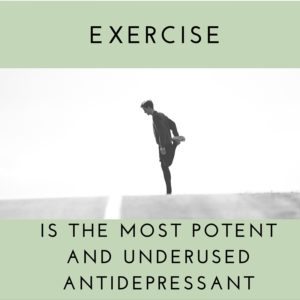
When I lecture and speak to patients, I share this quote: ‘Pharmaceuticals (anti-depressants) are the most over utilized prescription for depression and anxiety and exercise is the most underutilized”. exercise goodI go on to explain that I understand how difficult it is when you are in the pit of depression & despair to exercise. I also share that there have been times that THAT is all that I have “accomplished” in a day. The struggle to get myself out the door has been agony at times. It has taken me several hours – 2, 4, 6, 8 or 10 hours at times – to move from my bedroom to the door. When I am depressed, the battle between the side of me that wants to get well and the side of me that is stuck in depression and defeat can be paralyzing and it can take hours to muster up the courage to do all the steps required to get me out the door:
  1. get out of bed
  2. get dressed
  3. brush my teeth or hair if I am not able to take a shower
  4. get to the door
  5. put my shoes on
  6. open the door
  7. take one step
  8. take another step
  9. take another step
  10. repeat steps 8&9 for a minimum of 30 minutes

Sometimes I have sat at the door for over an hour just struggling with the contemplation and action of putting my shoes on. But, I can tell you this – as much as I didn’t want to go – I have never once, come back from exercising outside feeling worse than when I began. Never. Once. The endorphin benefit may be short-lived and not sustain me to the next morning, but I believe that there is a cumulative effect of exercise and if repeated enough times on a weekly or daily basis, that you can’t help but feel better.

It seems almost too easy to think that something so simple could make a real impact on mental illness, but strong evidence speaks loudly. Studies on the neurobiochemistry of mental illness show exercise is an effective treatment for mental illness.

What kind of exercise?

Aerobic, resistance and strength training, recreational, and “green exercise”

Many studies investigating the beneficial effect of exercise on mental health are done on aerobic exercise, generally 60-300 min/week of aerobic activity: jogging, cycling and other such high-intensity activities. Research reviews on aerobic exercise show significant reductions in depression and anxiety scores, improved cognition, and improved self-perception; features central to many mental health improvements4-7. A 2016 meta-analysis on regular aerobic exercise as a treatment for depression shows it is statistically equally as effective as treatment with antidepressants without any of the cost or adverse effects of such medication8,9. When exercise is used in combination with medication, response is better than either treatment alone. Several studies have also shown aerobic exercise to be effective at reducing psychiatric symptoms in individuals diagnosed with schizophrenia, bipolar disorder, attention deficit hyperactive disorder, and obsessive-compulsive disorder10-13.

Fortunately, it’s not just running and aerobics that improve mental health. Studies have also shown the psychological benefit of regular strength and resistance training without aerobic fitness improvement14,15. Regular weight lifting, playing sports and other types of active exercise can improve mood and decrease anxiety and depression scores as well as rigorous high-intensity running15. These improvements to mental wellbeing can begin to be seen with as little as 20 minutes, three to five times a week of brisk walking, tennis, dancing, weight training or anything else that gets your heart rate up or your muscles pumping.

A review of population-wide studies in the U.S. and Canada tells another interesting story about what type of exercise is best for the brain—it’s more beneficial when it’s recreational. Compiling data and comparing between groups of people who use similar amounts of energy in household chores versus recreational exercise shows a greater psychological benefit in the group engaging in recreational exercise16.

Finally, to get the most out of exercise, take it outside. It is known that both physical activity and exposure to nature separately have positive effects on physical and mental health. Research is now showing they have a synergistic effect on parameters of mental health when experienced together. Their combination is being called “green exercise” and is proven to be more beneficial than exercise without exposure to nature17. A 2010 study shows that the perceived greenness of an exercise area is proportionally correlated with reductions in anxiety after exercising there18. In other words, the greener the environment of your run, the less anxious you will feel after you’ve done it. Another study by Pretty et. al. (2005) reports significantly improved blood pressure, mood and self-esteem after running in pleasant natural environments versus control environments (running on a treadmill without a screen) or in unpleasant environments19. A meta-analysis shows that one of the populations most affected by the presence of nature during exercise are those suffering from mental health concerns17.

Who benefits from exercise?

The significant, measurable psychological effects described above are seen in both clinical populations (those with a diagnosed anxious or depressive disorder) and in healthy populations, pointing out that exercise benefits both those with mental illness and those wanting to prevent it20. This effect is seen in all ages, shown by studies in ages from adolescents to the elderly7,21.It is interesting to note that the positive effect of exercise on parameters of mental health is independent of economic status, age, gender, and physical health status. This means that a person can start wherever they are—fit or not, young or old, and still feel the psychological benefits of exercise16.

How it works to support mental health

Various mechanisms are responsible for the mental health benefits of exercise. The first and perhaps most obvious physiological changes that happen during exercise are increased heart and breath rate. This allows for higher oxygen delivery to the whole body, including the brain22. Increased cerebral vascular flow sends nutrients, energy, and other benefits to brain cells to support their function during the strain of physical exertion. It even changes patterns of neuronal activity post-exercise. For example, changing blood flow and brain metabolism through exercise has been shown to alter symptomatic neural response in adults and children with bipolar disorder. Several studies are suggesting physical activity as a new early treatment of this condition13,23.

Increased blood flow to the brain is also serving to activate metabolic pathways that replenish depleted neurotransmitters; depleted neurotransmitters being a state common to many mental health disorders. Dr. Richard Maddock, a professor in the Department of Psychiatry and Behavioral Sciences at the University of California Davis, explains, “From a metabolic standpoint, vigorous exercise is the most energetically demanding activity the brain encounters, much more intense than calculus or chess, and one of the things it’s doing [with all the energy] is making more neurotransmitters.”24. This is directly beneficial to many mental health concerns. A major depressive episode, for example, is often characterized by depletion of glutamate and GABA. Both of these neurotransmitters have their pathways turned on by exercise24.

Exercise affects not only blood flow and brain metabolism, it also physically changes the brain. Olson et. al. (2006) show that regular aerobic exercise creates new neurons and increases mass in the hippocampus, a part of the brain responsible for memory and thinking25. In addition, when cells in the body are stressed by exercise, they release growth factors in the brain: improving the health of existing brain cells, growing new blood vessels in the brain, and even improving the survival of new brain cells26. Deslandes et. al., (2009) discuss the protective effect of exercise against changes in the physical brain associated with aging, concluding that exercise is an essential part of long-term optimal brain functioning, ultimately decreasing the chances of developing age-related cognitive decline27.

What you can do

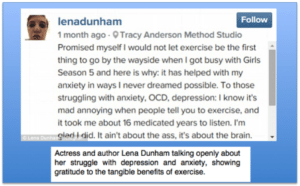
You can start today. It doesn’t take much and you don’t have to become fit overnight. But committing to a goal of regular exercise to get your heart rate up or your muscles engaged can be enough to support your mental health for the long term. If possible, get even more benefit by exercising outside in a green environment. Going for a walk three times a week is enough to begin to feel a change without any side effects or costs to you. If it helps, find a group of like-minded people and get moving together. This not only improves your mental health in the ways discussed in this article but the sense of community, companionship and friendship also has a beneficial impact on mood. lenadurhamI credit tennis to lifting a depression that had been weighing me down for several months in 2008. A friend asked me to play and we started playing a few nights a week. I was now engaging in a social activity with a friend, getting outside in the fresh air, getting sunlight/Vit D and was stimulating my appetite because of the exercise. After 2 months of this, I was no longer depressed!
Supporting mental health is an increasingly important goal for our personal future and for our future generations. Exercise is an inexpensive, effective, and safe treatment option and needs to be included as part of a comprehensive wellness treatment plan for mental health concerns. If we as a nation participate and engage in exercising our bodies, we can work to manage the mental health concerns of our present and future society.

References

  1. Quick Facts on Mental Illness and Addictions in Canada (3rd Edition). (2009). Mood Disorders Society of Canada. http://www.mooddisorderscanada.ca/page/quick-facts
  2. Smetanin, P., Stiff, D., Briante, C., Adair, C.E., Ahmad, S. and Khan, M. The Life and Economic Impact of Major Mental Illnesses in Canada: 2011 to 2041. RiskAnalytica, on behalf of the Mental Health Commission of Canada 2011. http://stg.mentalhealthcommission.ca/English/system/files/private/document/MHCC_Report_Base_Case_FINAL_ENG_0.pdf
  3. Statistics / health at a glance / 2013 /. (2013). Organization for Economic Cooperation and Development (OECD) Retrieved July 14, 2016, from http://www.oecd-ilibrary.org/sites/health_glance-2013-en/04/10/g4-10-04.html?contentType=&itemId=/content/chapter/health_glance-2013-41-en&containerItemId=/content/serial/19991312&accessItemIds=/content/book/health_glance-2013-en&mimeType=text/html&_csp_=2f6481becc176514dc3acbdcffc1daaa
  4. Craft, L. L., & Landers, D. M. (1998). The effect of exercise on clinical depression and depression resulting from mental illness: A meta-analysis.Journal of Sport and Exercise Psychology, 20, 339-357.
  5. Petruzzello, S. J., Landers, D. M., Hatfield, B. D., Kubitz, K. A., & Salazar, W. (1991). A meta-analysis on the anxiety-reducing effects of acute and chronic exercise. Sports medicine, 11(3), 143-182.
  6. Den Heijer, A. E., Groen, Y., Tucha, L., Fuermaier, A. B., Koerts, J., Lange, K. W., … & Tucha, O. Sweat it out? The effects of physical exercise on cognition and behavior in children and adults with ADHD: a systematic literature review. Journal of Neural Transmission, 1-24.
  7. Carter, T., Morres, I. D., Meade, O., & Callaghan, P. (2016). The Effect of Exercise on Depressive Symptoms in Adolescents: A Systematic Review and Meta-Analysis. Journal of the American Academy of Child & Adolescent Psychiatry.
  8. Kvam, S., Kleppe, C. L., Nordhus, I. H., & Hovland, A. (2016). Exercise as a treatment for depression: A meta-analysis. Journal of affective disorders,202, 67-86.
  9. Mead, G. E., Morley, W., Campbell, P., Greig, C. A., McMurdo, M., & Lawlor, D. A. (2009). Exercise for depression. The Cochrane Library.
  10. Beebe, L. H., Tian, L., Morris, N., Goodwin, A., Allen, S. S., & Kuldau, J. (2005). Effects of exercise on mental and physical health parameters of persons with schizophrenia. Issues in mental health nursing, 26(6), 661-676.
  11. Abrantes, A. M., Strong, D. R., Cohn, A., Cameron, A. Y., Greenberg, B. D., Mancebo, M. C., & Brown, R. A. (2009). Acute changes in obsessions and compulsions following moderate-intensity aerobic exercise among patients with obsessive-compulsive disorder. Journal of anxiety disorders, 23(7), 923-927.
  12. Callaghan, P. (2004). Exercise: a neglected intervention in mental health care?. Journal of psychiatric and mental health nursing, 11(4), 476-483.
  13. Souza de Sa Filho, A., Marcos de Souza Moura, A., Khede Lamego, M., Barbosa Ferreira Rocha, N., Paes, F., Cristina Oliveira, A., … & Wegner, M. (2015). Potential therapeutic effects of physical exercise for bipolar disorder. CNS & Neurological Disorders-Drug Targets (Formerly Current Drug Targets-CNS & Neurological Disorders), 14(10), 1255-1259.
  14. Martinsen, E. W., Hoffart, A., & Solberg, Ø. (1989). Comparing aerobic with nonaerobic forms of exercise in the treatment of clinical depression: a randomized trial. Comprehensive psychiatry,30(4), 324-331.
  15. Stathopoulou, G., Powers, M. B., Berry, A. C., Smits, J. A., & Otto, M. W. (2006). Exercise interventions for mental health: a quantitative and qualitative review. Clinical Psychology: Science and Practice, 13(2), 179-193.
  16. Stephens, T. (1988). Physical activity and mental health in the United States and Canada: evidence from four population surveys. Preventive medicine,17(1), 35-47.
  17. Barton, J., & Pretty, J. (2010). What is the best dose of nature and green exercise for improving mental health? A multi-study analysis.Environmental science & technology, 44(10), 3947-3955.
  18. Mackay, G. J., & Neill, J. T. (2010). The effect of “green exercise” on state anxiety and the role of exercise duration, intensity, and greenness: A quasi-experimental study. Psychology of Sport and Exercise, 11(3), 238-245.
  19. Pretty, J., Peacock, J., Sellens, M., & Griffin, M. (2005). The mental and physical health outcomes of green exercise. International journal of environmental health research, 15(5), 319-337.
  20. De Moor, M. H. M., Beem, A. L., Stubbe, J. H., Boomsma, D. I., & De Geus, E. J. C. (2006). Regular exercise, anxiety, depression and personality: a population-based study. Preventive medicine, 42(4), 273-279.
  21. Lisanne, F., Bolandzadeh, N., Nagamatsu, L. S., Hsu, C. L., Davis, J. C., Miran-Khan, K., & Liu-Ambrose, T. (2015). Aerobic Exercise Increases Hippocampal Volume in Older Women with Probable Mild Cognitive Impairment: A 6-Month Randomized Controlled Trial.British journal of sports medicine, 49(4), 248.
  22. Querido, J. S., & Sheel, A. W. (2007). Regulation of cerebral blood flow during exercise. Sports Medicine, 37(9), 765-782.
  23. Metcalfe, A. W. S., MacIntosh, B. J., Scavone, A., Ou, X., Korczak, D., & Goldstein, B. I. (2016). Effects of acute aerobic exercise on neural correlates of attention and inhibition in adolescents with bipolar disorder. Translational psychiatry, 6(5), e814.
  24. Wood, J. (2016, February 28). Hard exercise can boost brain chemicals sapped by depression | Psych central news. Retrieved July 14, 2016, from Psych Central, http://psychcentral.com/news/2016/02/28/people-who-exercise-have-better-mental-fitness/99703.html
  25. Olson, A. K., Eadie, B. D., Ernst, C., & Christie, B. R. (2006). Environmental enrichment and voluntary exercise massively increase neurogenesis in the adult hippocampus via dissociable pathways. Hippocampus, 16(3), 250-260.
  26. Godman, H. (2014, April 9). Regular exercise changes the brain to improve memory, thinking skills – Harvard health Blog. Retrieved July 14, 2016, from Harvard Health, http://www.health.harvard.edu/blog/regular-exercise-changes-brain-improve-memory-thinking-skills-201404097110
  27. Deslandes, A., Moraes, H., Ferreira, C., Veiga, H., Silveira, H., Mouta, R., … & Laks, J. (2009). Exercise and mental health: many reasons to move. Neuropsychobiology, 59(4), 191-198.
  28. Sparks, A. (2015). Lena Dunham on exercise: “It Ain’t about the Ass.” Retrieved July 14, 2016, from Psych Central Blogs, http://blogs.psychcentral.com/your-mind/2015/04/lena-dunham-on-exercise-it-aint-about-the-ass/