NATUROPATHIC GUIDELINES FOR CUTTING CHOLESTEROL
Cholesterol levels have become the source of much fear, even though cholesterol is one of the most valuable substances in the human body. Cholesterol is needed for strong cell walls, as a precursor for hormone production, and as a coating around nerves. There are two sources of cholesterol in the body: (1) that which is obtained from the diet; and (2) that which is produced in the body (primarily from the liver).
HDL cholesterol (i.e., high–density lipoprotein) is considered to be beneficial – it works to carry cholesterol away from the blood and back to the liver where it can be processed and removed from the body. LDL cholesterol (i.e., low–density lipoprotein), however, is generally thought to be harmful to the body – it carries cholesterol into the bloodstream and can place it into the lining of the arterial walls, thereby promoting atherosclerosis. Cholesterol can create a problem when levels in the blood are too high; generally, high cholesterol is defined as levels that are greater than 200 mg/dl. The naturopathic approach to reducing cholesterol levels includes a combination of lifestyle, dietary, and supplement recommendations.
LIFESTYLE RECOMMENDATIONS
- Regular aerobic/moderate exercise
- Regular exercise contributes to higher levels of HDL cholesterol and reduces the risk of heart disease
- Yoga or qigong for relaxation and improved blood circulation
- Minimize stress
- Get adequate amounts of daily sunlight – a lack of sunlight has been shown to adversely affect cholesterol levels
- Weight reduction (if appropriate)
DIETARY RECOMMENDATIONS
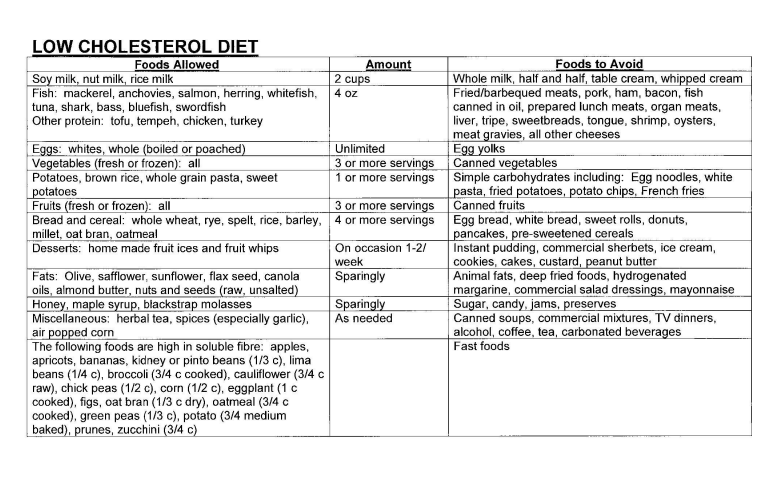
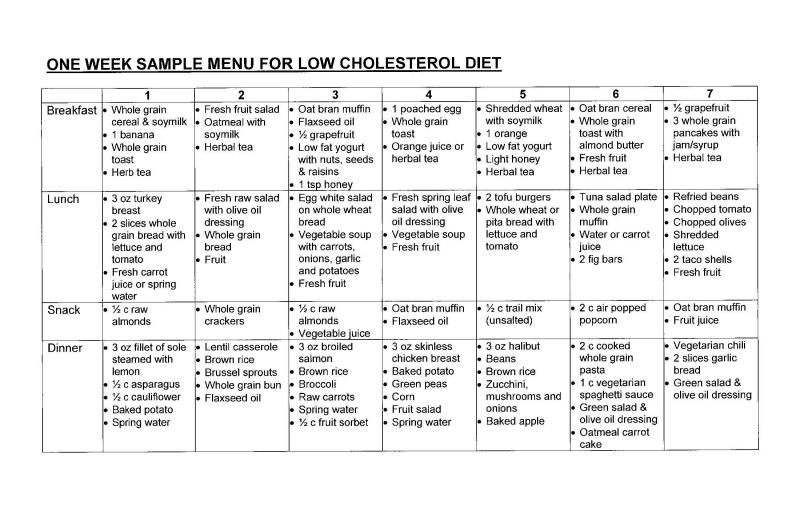
- Eat a high fiber, low fat, low cholesterol diet
- Reduce or eliminate animal products and other sources of saturated fats e.g., red meats, eggs, dairy products, palm oil, coconut oil
- Increase fruits, vegetables, grains, and legumes
- Reduce sugar and salt intake
- Calorie percentages for reducing cholesterol should be as follows: 70% complex carbohydrates – e.g., brown rice, oats, millet, beans
- 12-15% protein – e.g., tofu, beans, fish
- 15-18% fat – e.g., fish, olive oil, flaxseed oil, nuts, seeds
- Reduce cholesterol in the diet to less than 300 to 400 mg daily
- Consider occasional short fasts – e.g., once a month, fast on Spirulina, carrot, and celery juice (or lemon and water)
Therapeutic Foods & Supplements:
Oat bran and brown rice bran – these are the best foods for lowering cholesterol
Apples, bananas, carrots, grapefruit, celery, dried beans (especially navy, pinto, and kidney beans), garlic, olive oil, and cold water fish (salmon, herring, mackerel) – these are also cholesterol–lowering foods
Barley, beans, flaxseeds, brown rice, fruits, and oats – such foods contain water–soluble fiber which is beneficial in reducing cholesterol
Ground Flax Seeds
Grind whole seeds in coffee grinder (cleaning grinder well each time) and add to cereal, yogurt or smoothies
2 Tablespoons provides adequate fiber per day For more
information
on the multi–benefits of Flax, check this website http://www.whfoods.com/genpage.php?tname=foodspice&dbid=81
Spirulina
spirulina is a form of blue–green algae that is rich in beta–carotene, iron and B complex vitamins. When taken on a daily basis, Spirulina has been shown to decrease cholesterol levels Raw unsalted almonds
almonds are rich in the amino acid arginine which has been shown to decrease cholesterol within a four–week period
Green tea
regular intake of green tea has been shown to decrease LDL and total cholesterol levels while increasing HDL
for maximum benefits, one should drink at least 3 cups daily of whole leaf green tea
Other beneficial foods include:
omega 6 fatty acids – evening primrose oil, flaxseed oil (also contains omega 3 fatty acids), black current oil, and other vegetable/nut/seed oils
о liquid chlorophyll, alfalfa sprouts, buckwheat, watercress
Niacin
onions, beans, legumes, soy, ginger, yogurt
Fresh juice made with any combination of the following: carrot, beet, celery, pineapple, parsley, alfalfa, spinach, asparagus, chlorophyll and honey. Note: Carrot juice helps to flush out fat from bile in the liver and this helps to lower cholesterol.
о Niacin is well established as being effective in the treatment of high cholesterol levels –
specifically, it reduces total cholesterol, LDL cholesterol, and triglycerides while increasing HDL
Guggullipid
Guggullipid is the standardized extract of the mukal tree (Commiphora mukal) which is native to India
Several clinical studies have confirmed its ability to lower both cholesterol and triglyceride levels Typically, total cholesterol will drop 14-27%, LDL by 15-35%, triglycerides by 22-30%, and HDL will increase by 16-20% with 12-36 weeks of supplementation
The effect of guggullipid on cholesterol and triglyceride levels is comparable to that of lipid- lowering drugs but without the side–effects
Mechanism of action: guggullipid increases the liver’s metabolism of LDL
Other benefits: it has been shown to prevent the formation of atherosclerosis and aid in the reversal of atherosclerotic plaques in animals
Policosanol
Balances cholesterol levels by impacting both excessive manufacture and impaired breakdown of cholesterol levels.
Policosanol has been shown to reduce both total cholesterol and LDL cholesterol levels, also shown to effectively decrease cholesterol levels in tissues like the heart, liver and fatty tissue. Policosanol can be used as an alternative to aspirin as an anti–platelet agent. Policosanol is also a powerful antioxidant.
References: Textbook of Natural Medicine by Pizzorno & Murray. Churchill Livingstone: 1999; Textbook of Nutritional Medicine by Werbach. Thrid Line Press, Inc: 1999