5 Tips for a Good Night’s Sleep

Sleep is an essential part of health and wellbeing.  In order to improve sleep quality, there are a number of different supplements that can be used. However, before supplements are prescribed, we must look at the foundation and the lifestyle elements that affect sleep. Healthy sleep habits are often referred to as sleep hygiene because similar to personal hygiene, sleep hygiene helps to maintain health and prevent illnesses. In this post, we will share with you our top 5 sleep hygiene tips.

1. Avoid Caffeine

This first tip may seem very obvious to you, but it is so important! Avoid caffeine-containing beverages or foods after 2 pm and if you are sensitive to caffeine avoid it after 12 noon. Some common caffeine-containing products include coffee, sodas,  some vitamin waters, chocolate, ice cream and even decaf coffee and tea has a bit of caffeine.  A recent study showed that in some people, caffeine is not metabolized efficiently and they can feel the effect long after consuming it. As such, an afternoon cup of coffee or tea will keep some people from falling asleep. Also, some medications, particularly diet pills contain caffeine. In addition to caffeine being a stimulant that can keep you up at night, it is also a bladder irritant that can wake you up in the night to use the washroom.

2. Keep a regular routine to train your biological clock.

Go to sleep and wake up at the same time each day, even on the weekends! Keeping a regular schedule helps the body know when it is supposed to sleep.

3. Do not use electronics 1-2 hours before bed.

Electronics, such as cell phones, tablets and televisions give off a blue light that affects melatonin production and the natural sleep-wake cycle. Avoiding the use of electronics 1-2 hours before bed, as well as dimming the lights help to encourage the body to prepare for sleep.

4. Use your bed only for sleep and sex

By limiting the activities that you do in bed, you are helping the mind make the association that when you are in bed, it is time to relax and go to sleep.  If you are used to watching TV or doing work in bed, you may find it harder to relax and to think of the bedroom as a place to sleep.

5. Don’t panic about a poor night’s sleep.

This makes your sleeping worse. Trust in the wisdom of your body that you are getting enough sleep.  Instead, use positive self-talk phrases before going to bed. Repeat a positive affirmation regarding sleep 10 times in a row and do this 3x/day. Here is an example of an affirmation you can repeat: “I trust in the wisdom of my body to get the sleep I need.”


Getting a good night’s sleep starts by regulating the body’s natural sleep-wake cycle. Simple lifestyle tips, such as the ones above help to improve sleep. There are many other sleep hygiene tips that can be done to help the body to get a good night’s sleep, which we will share over the next couple weeks. Making sleep a priority is an important choice in achieving overall wellness.

 

You can read more about why sleep is important here.

The Importance of Sleep

Sleep is an important part of your physical, mental and emotional health. How you feel during the day, is largely a result of how you sleep at night.

Sleep plays a role in controlling your hunger hormones: ghrelin which causes appetite and leptin which suppresses appetite. It affects your memory, concentration and focus. People with better sleep have a reduced risk of cardiovascular disease, diabetes and depression.

The body has a natural sleep cycle called the circadian rhythm. It is largely controlled by natural sunlight. The darkness stimulates the brain to release melatonin which initiates sleep. Sometimes the circadian rhythm can be disrupted which causes sleep issues.

Sleep is one of the pillars of health and it is very important to make sure that you are sleeping optimally. Sleep issues can occur with falling asleep, staying asleep, waking up at night, light sleeping, not feeling refreshed in the morning or snoring loudly. If you have any of these issues, book an appointment so we can help you on your path to health and wellbeing.

What is the Mediterranean Diet? And Is It Good for You?

Nutrition is one of the foundational building blocks of health. What we eat plays an incredibly important role in our digestion, mental health, hormone production and energy levels. At Natural Terrain, assessing a patient’s diet and nutritional intake is a common occurrence. Diet is an important way to make sure you are getting all the vitamins, minerals, proteins and nutrients you need to be healthy. The diets that are prescribed are often well-researched diets that are tailored to the needs of the patient. One diet that has a lot of good research behind it is the Mediterranean diet.

What is the Mediterranean Diet?

The Mediterranean Diet is a diet based on the daily servings of food groups. Often the Mediterranean diet is described in a pyramid, with different food groups put into different levels. The bottom of the pyramid is what should be eaten at every meal and the top of the pyramid are foods that should be eaten the least.

Base Level

On the base of the pyramid is vegetables, fruits, whole grains, herbs, legumes and healthy fats. Olive oil is encouraged as the main healthy fat, but nuts and seeds are also placed in this category. Legumes, such as beans, peas and lentils should replace meat products in at least 3 of your meals each week. Every meal should focus on this main category.

Level 2

The next level of the pyramid is fish and seafood. Fish is the main source of animal protein in the Mediterranean diet. It is high in Omega-3’s which are anti-inflammatory and great for your health. When selecting which types of fish to eat, it is best to choose fish with lower levels of mercury. You can look here for low mercury fish. In Edmonton, we recommend buying your fish from Ocean Odyssey Inland for some of the freshest, high-quality fish.

Level 3

The third level is Poultry, Eggs and Dairy which should be consumed in small amounts. Eat these types of foods once every couple days.

Top of the Pyramid

The last category, which should make up the lowest proportion of your diet is red meats and sweets. Choose lean cuts of meats when possible and consume these only a couple of times each month. Leave sugary foods for special occasions only.

Water is encouraged to be drank throughout the day. Moderate intake of red wine is allowed, with the maximum drinks per day being 1 for women and 2 for men.  While the emphasis is on food group selection, the Mediterranean Diet also suggest daily exercise and eating with others, which are good practices to start.

What are the health benefits?

The health benefits of the Mediterranean has been well studied. One of the most studied link is between the Mediterranean diet and the prevention of cardiovascular disease. Studies show that following a Mediterranean diet can reduce your risk of stroke, heart attacks and death from cardiovascular disease. It has also been shown to significantly reduce blood pressure.

Mediterranean diets also have been useful in preventing and treating diabetes. The Mediterranean diet can help lower glucose levels and improve insulin sensitivity.

Besides diabetes and cardiovascular disease, the Mediterranean diet has been helpful to improve sleep quality, manage PCOS, prevent cognitive decline, decrease the risk of depression and prevent some cancers.

Although the Mediterranean diet is considered a ‘diet’, it does not require any change in the amount of food intake. Working with a naturopathic doctor to tailor a diet like the Mediterranean diet can be an important step in preventative medicine and building the foundation of health.

References

  1. Schwingshackl L, Hoffmann G. Adherence to Mediterranean diet and risk of cancer: an updated systematic review and meta-analysis of observational studies. Cancer Medicine. 2015;4(12):1933-1947. doi:10.1002/cam4.539
  2. Shafiei F, Salari-Moghaddam A, Larijani B, Esmaillzadeh A. Adherence to the Mediterranean diet and risk of depression: a systematic review and updated meta-analysis of observational studies. Nutr Rev. 2019;77(4):230-239. doi:10.1093/nutrit/nuy070
  3. Martini D. Health Benefits of Mediterranean Diet. Nutrients. 2019;11(8). doi:10.3390/nu11081802
  4. Campanini MZ, Guallar-Castillón P, Rodríguez-Artalejo F, Lopez-Garcia E. Mediterranean Diet and Changes in Sleep Duration and Indicators of Sleep Quality in Older Adults. Sleep. 2017;40(3). doi:10.1093/sleep/zsw083
  5. Georgoulis M, Kontogianni M, Yiannakouris N. Mediterranean Diet and Diabetes: Prevention and Treatment. Nutrients. 2014;6(4):1406-1423. doi:10.3390/nu6041406
  6. Rees K, Takeda A, Martin N, et al. Mediterranean-style diet for the primary and secondary prevention of cardiovascular disease. Cochrane Heart Group, ed. Cochrane Database of Systematic Reviews. Published online March 13, 2019. doi:10.1002/14651858.CD009825.pub3
  7. Benson G, Pereira RF, Boucher JL. Rationale for the Use of a Mediterranean Diet in Diabetes Management. Diabetes Spectrum. 2011;24(1):36-40. doi:10.2337/diaspect.24.1.36


Ozone therapy: A diverse treatment option

Ozone therapy is a treatment used frequently in our clinic to help patients with a variety of different symptoms and conditions. Ozone is made up of 3 oxygen molecules. It is found naturally in the earth’s atmosphere and it can be produced with specialized equipment to be used therapeutically.  It is a strong antioxidant that donates an oxygen molecule to the body’s cells that need it to keep them healthy and strong. Ozone helps to keep the body in balance, can help with antiaging, and modulates the immune system. It has been used and researched for over 50 years in Europe.

At Natural Terrain, Dr. Mason-Wood, ND has studied and completed certifications allowing him to safely administer ozone therapy.

What is it used for?

Ozone therapy can be used for a number of different reasons. Some of the common uses include…

  • Bacterial infections
  • Chronic viral infections
  • Chronic Fungal infections
  • Dental infections
  • Chronic diseases
  • Cancers
  • Ulcers, wounds, rashes
  • Athletic performance
  • Anti-aging
  • Pain management
  • Inflammation
  • Brain fog

Administration

Ozone can be administered locally or systemically based on your needs. When ozone is administered systemically, it is administered through an IV. Ozone can also be injected locally, used in topical olive oil, or used as ear insufflation. 

Ozone therapy has provided a lot of relief for a lot of our patients. Consult a naturopathic doctor to find out if ozone therapy is right for you.

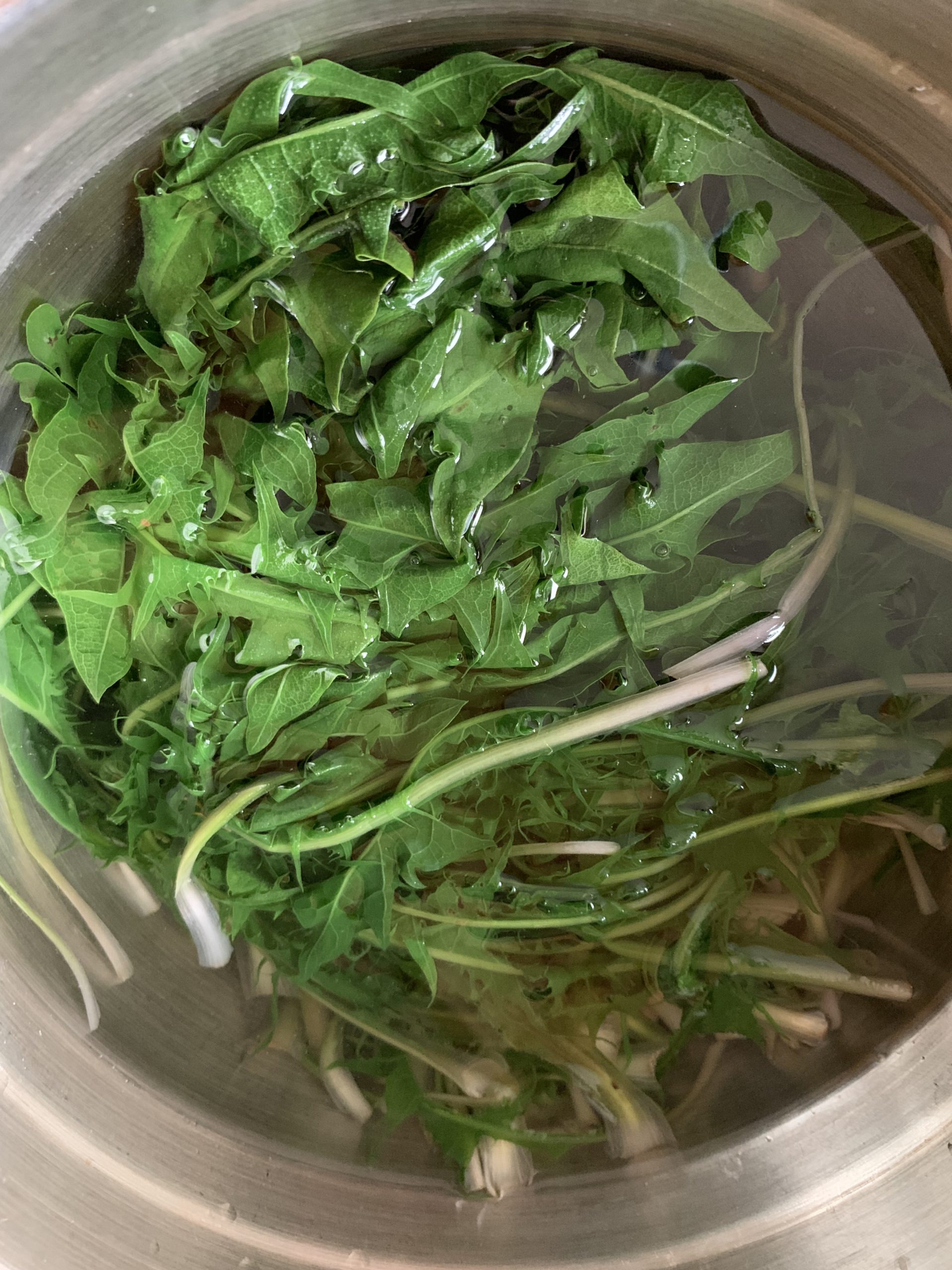
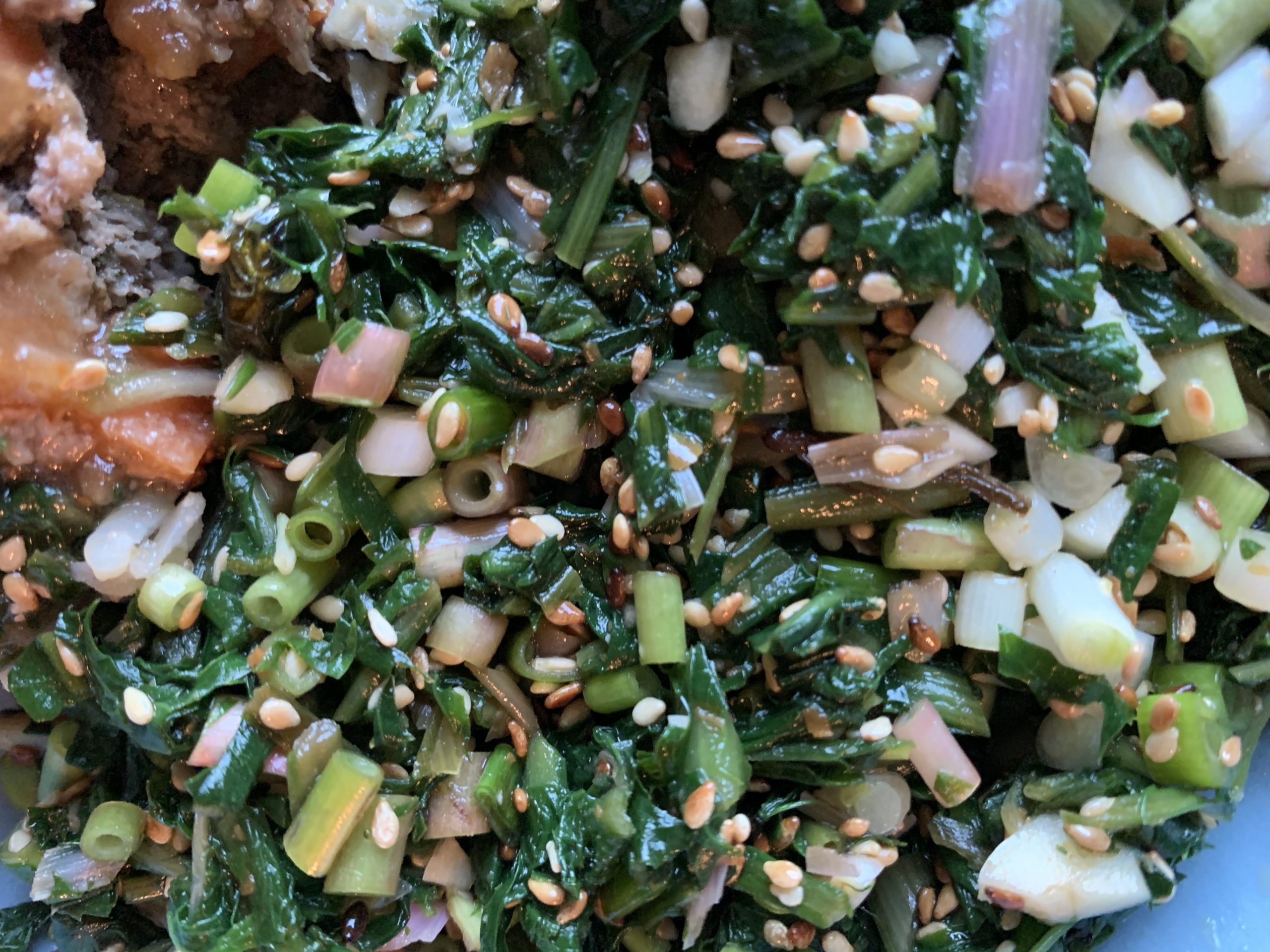
Korean-style Dandelion Salad

It’s hard not to notice the amount of yellow dandelions out there right now. Dandelions are more than a colourful addition to the yard, they are also great botanical herb and make a delicious salad.

Recently, we spent some time weeding, and instead of throwing away or composting the weeds, we were able to use the leaves for this salad. We love that this salad is environmentally friendly and that it had a delicious taste.

We hope you try and enjoy this salad.

Ingredients

  • Leaves of 4-5 large (8-10 small) dandelions washed and rinsed
  • 1 cup of chives (or green onions) thinly sliced
  • 4 cloves of garlic minced
  • 1-2 tbsps toasted sesame seeds (crushed or whole)
  • 3 tbsps soy sauce
  • 1 tbsp sesame oil
  • 2 tsps cane sugar
  • 1-2 tsps Korean red pepper powder (Gochugaru) – depending on how hot you like it
  • 2 tbsps apple cider vinegar

Instructions

  1. Wash and rinse the leaves thoroughly.
  2. Blanche 1-2 minutes and soak in cold water for 3-4 hours, the longer you soak, the less bitter it becomes.
  3. Wring out excess water in hands until most of the water is gone.
  4. Finely Chop.
  5. To make the dressing, mix together the soy sauce, sesame oil, sugar, Korean pepper powder and vinegar.
  6. In a large bowl, toss the greens, garlic and sesame seeds with dressing right before serving.

Recipe: Cauliflower Sheppard’s Pie

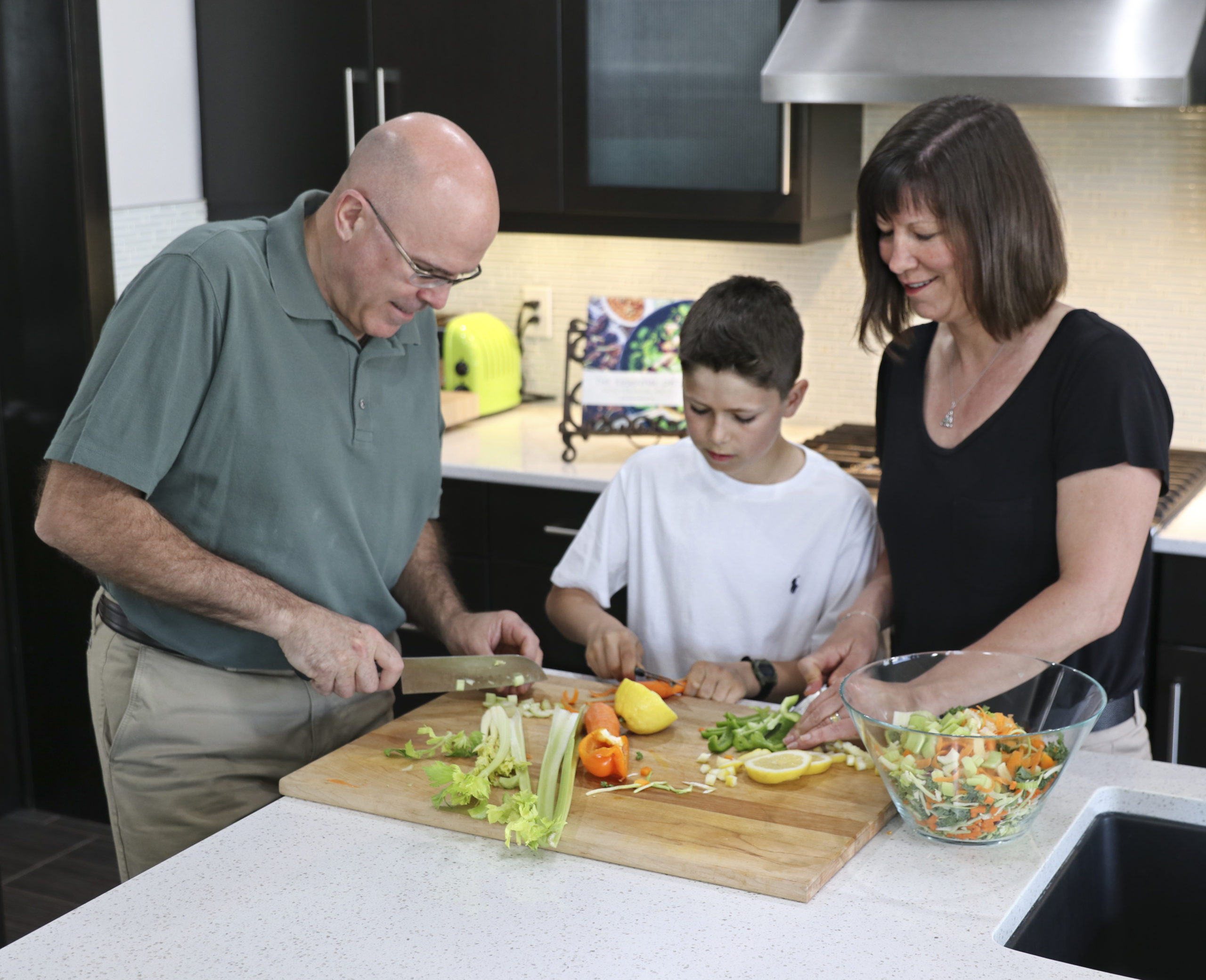
This is a hearty and wholesome meal that our whole family loved. We always get excited when we find recipes that are both delicious and packed with nutrients that will keep us healthy. We found the recipe from Dr. Raza Shah, ND, we made some tweaks and came out with a beautiful Sheppard’s pie.

To limit exposure to toxins, we suggest buying organic vegetables. It is good to refer to the Environmental Working Group’s Dirty Dozen to identify which vegetables and fruits are typically high in toxins. These are the vegetables and fruit which we prioritize when buying organic.

One of our favourite places to get our meat is from TK Ranch. They are an Albertan company, animal welfare approved, certified grass-fed and focus on environmental sustainability.

We hope you enjoy this recipe as much as we did!


Serving Size: 4

Time: 1 hour


Ingredients

  • 1 head of cauliflower (chopped into florets)
  • 2 tbsp extra virgin olive oil
  • 1 yellow onion (diced)
  • 2 cloves of garlic (minced)
  • 16 ozs of extra lean ground beef
  • 3 cups mushrooms (sliced)
  • 2 cups carrot (diced)
  • 2 stalks of celery (diced)
  • 1 tbsp Italian seasoning
  • 1/4 tsp sea salt

Directions

  1. Preheat the oven to 350ºF (177ºC)
  2. Place cauliflower florets in a saucepan, cover with water and bring to a boil. Let the florets boil until they are soft, about 15 minutes.
  3.  Heat a large pan with 1 tbsp of olive oil. Add in onions and garlic, until translucent and fragrant, about 5 minutes.
  4. Next, add the meat, and cook until browned
  5. Add the mushrooms, carrots, celery, Italian seasoning and salt. Cook for a few minutes, until the meat is cooked through. Remove from heat.
  6. Drain the cauliflower. In the same pot, add 1 tbsp of olive oil and a sprinkle of salt to the cauliflower.  Mash well until the cauliflower becomes almost like a puree
  7. Transfer the meat mixture to a casserole or pie dish and distribute it into an even layer. Top with the cauliflower mash and spread it evenly across the top.
  8. Place in the oven and bake for 20 minutes. Turn the oven to a low broil and broil for 10 minutes or until golden. Remove from oven and serve. Enjoy!

Note:

  • If you are following a vegan or vegetarian diet you can substitute the ground meat for cooked lentils.

What’s In Your Summer BBQ? Series (Part 2 of 2)

This is part 2 of a super summer BBQ series, following from part 1 that talked about hot dogs, burgers, veggie burgers and buns. Now read up on all the other trimmings that come with a BBQ so you can enjoy your next summer hang to the fullest!

#4: Condiments

Ketchup, BBQ Sauce, Relish

Classic ketchup is made with tomatoes, vinegar, lots of sugar, and artificial flavouring. A tbsp of it contains 4g sugar, and the average person puts at least 2 tbsp on a burger or hot dog, giving you another 8-10g sugar – yikes!  Conventional ketchup is also made with conventional tomatoes, which are on the Environmental Working Groups dirty dozen list of the most chemically-sprayed agricultural products. For a healthier choice, choose organic ketchup and reduce the amount you use to cut back on sugar. Dr. Mason-Wood, ND loves his ketchup so he makes it himself or buys the Simply Naturals Organic ketchup.  The same applies to bbq sauces and other sweet-type sauces and relishes. When using these condiments, choose organic and low-sugar when possible, and limit use as much as possible.

Mustard

There is a bright side to condiments: mustard! Mustard is relatively low in preservatives and is usually very low in sugar (but check the label). Mustard seed is also a good source of vitamin B1, selenium and magnesium, which are important nutrients for various body functions. Its only downside is that it can contain a high amount of sodium.

Mayonnaise

It’s especially important to pay attention to mayonnaise because there is so much variation between the different kinds. Regular Hellman’s mayonnaise is mostly fat from canola oil and low-quality eggs, along with preservatives, salt and sugar. Canola oil is becoming a dangerous food the more that its agricultural source, rapeseed, is becoming genetically modified. It can also be partially hydrogenated, but this is now banned because of the well-documented negative health impacts from hydrogenation. A good alternative to regular mayo is a version made with avocado oil, cage-free eggs and honey instead of sugar.

#5 Toppings

It’s hard to go wrong here because they’re vegetables, right? There are always options that can make your choices healthier.

Lettuce

Iceberg lettuce, for example, while being a lettuce is just basically water: not a lot of nutrients or vitamins. Swap this out for Boston lettuce, romaine or even leafy kale and you’ll get B vitamins, antioxidants and minerals with your meal.

Tomatoes

Tomatoes are generally great to add, but make sure they are organic because they are in the top 12 foods most heavily sprayed with pesticides. According to the Environmental Working Group, one sample of conventional tomatoes contained 15 different pesticides and their harmful breakdown products. Also something to think about: have you ever considered if you have a food sensitivity to nightshades? This is a family of vegetables that include tomatoes, eggplant, peppers and potatoes, and for some people these foods can cause inflammation and exacerbate conditions like arthritis, skin conditions, autoimmune conditions, and even mental health concerns. A good way to test for this is by doing an elimination diet or food sensitivity testing with your Naturopathic Doctor.

Sauerkraut

Sauerkraut is generally a healthy food traditionally consisting of fermented cabbage, other vegetables, and salt. This means it is a live food with gut-healthy bacteria that will support your bacterial microbiota. But did you know that the grocery-store types that are sealed or canned are actually devoid of fermented bacteria? This is because they’re eliminated in the canning/processing. You can find a good, healthy, natural version at the Italian Centre locations in Edmonton.

#6: Drinks

Often at BBQs there are all sorts of sugary drinks, especially when there are kids around. Keep an eye out for pops and sodas with sugar, caffeine and artificial colours and flavours and carbonated drinks. Opt for water instead, or diluted juices or cooled herbal teas. Try an iced peppermint tea or iced hibiscus tea- refreshing, delicious and good for you! The reason that carbonated drinks (including water) are to be kept to a minimum and best avoided is that regular consumption contributes to osteoporosis.

#7: Socialize and run around

Don’t forget that the point of barbecues is to get together and enjoy summer. The guidelines of the most widely recommended diet, called the Mediterranean diet, has a whole section that recommends sharing meals and socializing with others. Lowering stress and increasing face-to-face contact with other humans actually changes the way we digest and metabolize food. So maybe once you’ve done your best with your food choices, let yourself relax and enjoy being with others. Let yourself make some Vitamin D naturally by running around in the sun without lathering yourself up in sun screen.

Here’s to a happy summer!

References

  1. Nutritional info on ketchup http://nutritiondata.self.com/facts/vegetables-and-vegetable-products/3005/2
  2. Bad condiments https://www.huffingtonpost.ca/2013/02/21/bad-condiments_n_2733484.html
  3. Canola oil https://draxe.com/canola-oil-gm/ 
  4. Environmental Working Group Dirty Dozen https://www.ewg.org/foodnews/dirty-dozen.php 
  5. Sauerkraut https://www.bbcgoodfood.com/howto/guide/health-benefits-sauerkraut
  6. Mediterranean diet https://www.mayoclinic.org/healthy-lifestyle/nutrition-and-healthy-eating/in-depth/mediterranean-diet/art-20047801.


Using Hydrotherapy for Pain Relief

Hydrotherapy is the use of water for healing the body. Specifically, alternating hot and cold water therapy is hugely beneficial for pain relief and it’s free! 

Using hot and cold can help manage pain.  For acute pain (eg. sprained ankle in the first 48 hours), cold is always used, to keep swelling down.  But chronic pain doesn’t have the same kind of swelling as a very recent injury. Often, the issue is actually that the area is not getting enough circulation.

Circulation is necessary for healing chronic injury and damage because it brings fresh, healing blood with growth factors and platelets, and takes away cellular waste products and toxins. Injuries in tendons and other areas with poor circulation often heal poorly for the lack of fresh blood.

For this reason, many injuries and areas of damage benefit greatly from hydrotherapy.  Alternating exposure to cold and hot water is an excellent way to stimulate circulation and waste removal from an inflamed or injured area of the body and reduce pain.

How does it work?

Cold water makes the superficial blood vessels constrict, sending the blood into deeper tissue. Following that with hot water dilates the superficial vessels and draws it out again. Alternating hot and cold in buckets of water or in hot/cold showers is essentially acting like a pump in your muscles, moving the blood around and helping flush out areas that don’t get quite as much circulation. This is also an excellent technique for someone with cold hands and feet in the winter- alternating hot and cold showers can save you from the painful cold in the fingertips and toes.

When using alternating hot and cold hydrotherapy, it is important that you always start with hot and finish with cold. A basic hydrotherapy protocol looks like this:

  • Start hot (not scaling) for 3 minutes
  • Alternate between hot and cold every 3 minutes, going as cold as you can go without pain and as hot as you can go without scalding yourself.
  • Repeat for 8 cycles (4x each temp) and finish cold.

You can use buckets of water if it’s for ankles or feet, visit a spa or spring with hot and cool baths, or you can simply turn your shower to hot and cold.

What does it help treat?

  • Strains and sprains of the foot, ankle, elbow, knee, wrist, neck, or shoulder
  • Swelling (once the acute stage has passed)
  • Muscle spasms
  • Joint aches
  • Repetitive-strain injuries, such as tendonitis or tennis elbow
  • Sports injuries
  • Flare-ups of chronic conditions, such as arthritis or fibromyalgia
  • Some pains associated with cancer
  • Any other injury that causes swelling or aching

When to use contrast hydrotherapy

Use when an injury is a semi-chronic or chronic condition. This means when it’s been more than 72 hours after an injury and your body is not in acute inflammation. It’s particularly helpful for recurrent or very long-term “achey” pain, even pain that’s been there for months or years.

When not to use contrast hydrotherapy

Don’t use when there is any open skin wounds or risk of infection. Be cautious if there is decreased sensation or neuropathy (as in a diabetic foot, for example), because it may be harder to tell if the water is scalding or freezing the skin. Likewise be cautious if there are any heart or systemic conditions that react to varying temperatures, like cold urticaria (hives).

Learn more about pain management by booking a consult with Dr. Mason-Wood, ND and discuss your treatment options today.

It’s the Season of Renewal, Growth and … Seasonal Allergies

It’s that time of year again: the sun is up, the snow is melted, it’s perfect weather to be outside. You get out there and then it hits you. Your eyes are red and itchy, your nose is stuffed, and you’re sneezing a lot. Being outside suddenly becomes exhausting and uncomfortable. These symptoms can last for weeks or sometimes even months. It can make it more difficult to concentrate, sleep or work.  This is a common feeling for those who experience seasonal allergies. 


There are many different things that you may be allergic to this time of year. Most people who have seasonal allergies are allergic to pollen from trees that start to bloom around this time. However, you can also be allergic to “snow mold” or spores from the mold growing on leaves left on the ground from last fall. Seasonal allergies can also occur in the summer which is more likely to be caused by grasses or in the fall from Ragweed, however, this is not common in Alberta.


Allergic Responses in the Body

When particles such as pollens, molds, or grasses are released into the air they can be inhaled. The immune system picks up these particles and tries to identify it. In healthy individuals, the body recognizes this as a non-threatening particle and gets rid of it. However, in a person with allergies, these little particles are identified as a threat and they set off a cascade of events. The body will create antibodies against it. These antibodies attached to mast cells, a type of immune cell. Whenever more of those particles enter the body, the mast cells will release something called histamine, which causes blood vessels to dilate and fluid to move into the area, resulting in the symptoms associated with seasonal allergies. The nose and the eyes have a lot of mast cells, which is why we see a lot of symptoms related to eyes and nose.


Seasonal allergies can be managed naturopathically. If you suffer from seasonal allergies and need help, book an appointment with one of our naturopathic doctors today. 

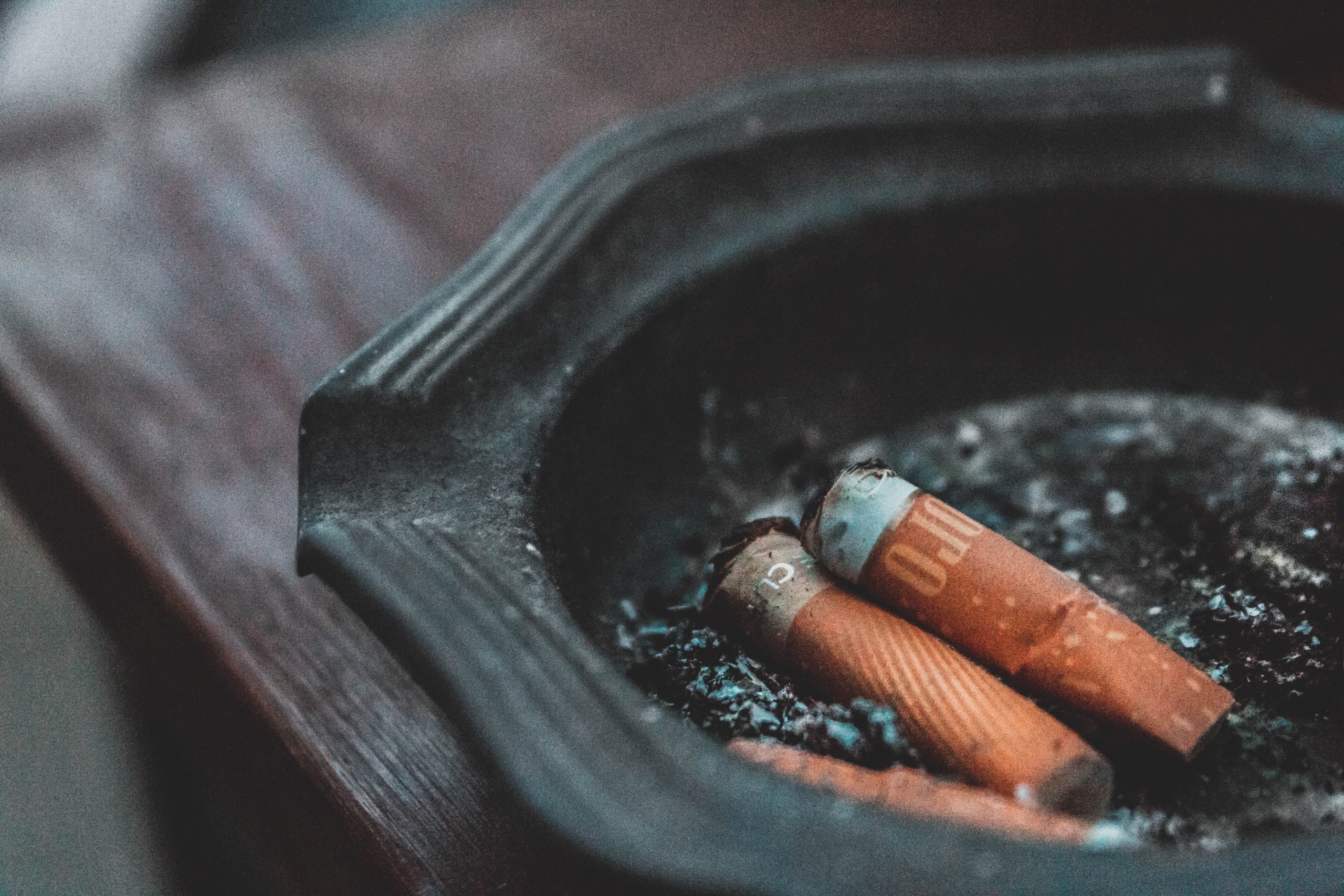
The Time To Quit Smoking is Now

Smoking and the Immune System

Many common viruses, such as influenza and COVID-19, attack the respiratory tract and can make a person sick. Smoking decreases the antiviral factors in the lungs, leaving individuals who smoke or people who are exposed to high levels of smoke, more susceptible to viral infections [1].  New studies have shown that those who smoked and contracted COVID-19 were 1.4 times more likely to have severe symptoms and approximately 2.4 times more likely to be admitted to an intensive care unit, need mechanical ventilation or die compared to non-smokers [2,3]. These studies show that quitting smoking is an important way to keep your immune system strong.

Obstacles to Quit Smoking

Quitting smoking is no easy task: It takes incredible will-power, discipline and strength.  Some of the biggest obstacles to quitting smoking are dealing with cravings and nicotine withdrawal. Nicotine, the addictive substance in cigarettes, can rewire the brain so that a person keeps wanting to go back to smoking. Certain cues can make a person have stronger cravings. Another obstacle to quitting smoking is nicotine withdrawal. After 4-24 hours of not having nicotine, the body can react.  Symptoms of irritability/anger/frustration, anxiety, depressed mood, difficulty concentrating, increased appetite, insomnia, constipation, dizziness, nausea, and sore throat are common in nicotine withdrawal [4].  Luckily, all these symptoms can be managed and typically decrease and stop 2-3 weeks after quitting. If you are considering quitting smoking there are several steps you can take to help prepare yourself for success.

5 Tips to Help You Quit Smoking

Here are 5 helpful tips to get you started on quitting smoking…

1. Write down the reasons why you want to quit

Quitting smoking will take willpower and motivation. Writing down the reasons why you want to quit can help encourage you to take the first steps, and are great to refer back to to keep you motivated.

2. Avoid Triggers

Before quitting, take some time to record your smoking habits. Write down when you are smoking, and identify what makes you want to have a cigarette. Some common triggers may be stress, drinking alcohol, coffee, driving, break times or social gatherings.  Another common trigger can be things that remind you of smoking. On your quit day, get rid of all cigarettes, ashtrays and lighters. Try cleaning your house, clothes and car to avoid smelling the cigarette smoke which can lead to temptation. Avoiding triggers can often mean changing up your routine, be flexible in your schedule while you are quitting.

3. Find Support

Telling your friends and family you are going to quit is a good idea. They can help encourage you when things are getting tough and help keep you accountable. Reach out for support from counsellors, doctors (including naturopathic doctors), or online support if you feel like you are struggling.

4. Exercise

Exercise has not only been shown to increase motivation for people to stop smoking, but it has also been shown to help reduce cravings and increase the likelihood of quitting [5]. Try to do some exercise daily, especially when experiencing cravings,  to help improve your chances of quitting.

5. Take some deep breaths

Deep breathing has been shown to help reduce smoking withdrawal symptoms, irritability and reduce cravings [6].  When you feel a craving coming on, take some deep breaths, it will help calm your body and the craving will pass.

In addition to these tips, there are a variety of different treatments that can be used such as diet, lifestyle, supplements, herbs, and acupuncture that can help decrease cravings, manage the symptoms of nicotine withdrawal and increase the chances of quitting smoking long term.

If you are considering quitting smoking, make an appointment with one of our Naturopathic Doctors who can help support you through the process of quitting and keep you healthy.


Resources

  1. Duffney PF, McCarthy CE, Nogales A, et al. Cigarette smoke dampens antiviral signalling in small airway epithelial cells by disrupting TLR3 cleavage. Am J Physiol Lung Cell Mol Physiol. 2018;314(3):L505-L513. doi:10.1152/ajplung.00406.2017
  2. Vardavas CI, Nikitara K. COVID-19 and smoking: A systematic review of the evidence. Tob Induc Dis. 2020;18. doi:10.18332/tid/119324
  3. A Good Reason to Quit Smoking Now | Metagenics Institute. https://www.metagenicsinstitute.com/articles/covid-19-smoking/?utm_campaign=MI%20Newsletters&utm_source=hs_email&utm_medium=email&utm_content=86101142&_hsenc=p2ANqtz-_d2227sRwMD7p5PLFoaV4SKzb_Hzu-_zna3q-D_C2HgPcPORmNwN6DDqJQN3SqmAA_fR7tzQ-dTvKJYynP7upUHpoK2w&_hsmi=86101142. Accessed April 15, 2020.
  4.  McLaughlin I, Dani JA, De Biasi M. Nicotine Withdrawal. Curr Top Behav Neurosci. 2015;24:99-123. doi:10.1007/978-3-319-13482-6_4
  5. Aveyard P, Lycett D, Farley A. Managing smoking cessation‑related weight gain. Pol Arch Med Wewn. 2012;122(10):494-498.
  6. McClernon FJ, Westman EC, Rose JE. The effects of controlled deep breathing on smoking withdrawal symptoms in dependent smokers. Addict Behav. 2004;29(4):765-772. doi:10.1016/j.addbeh.2004.02.005