The Importance of an Alkaline Diet
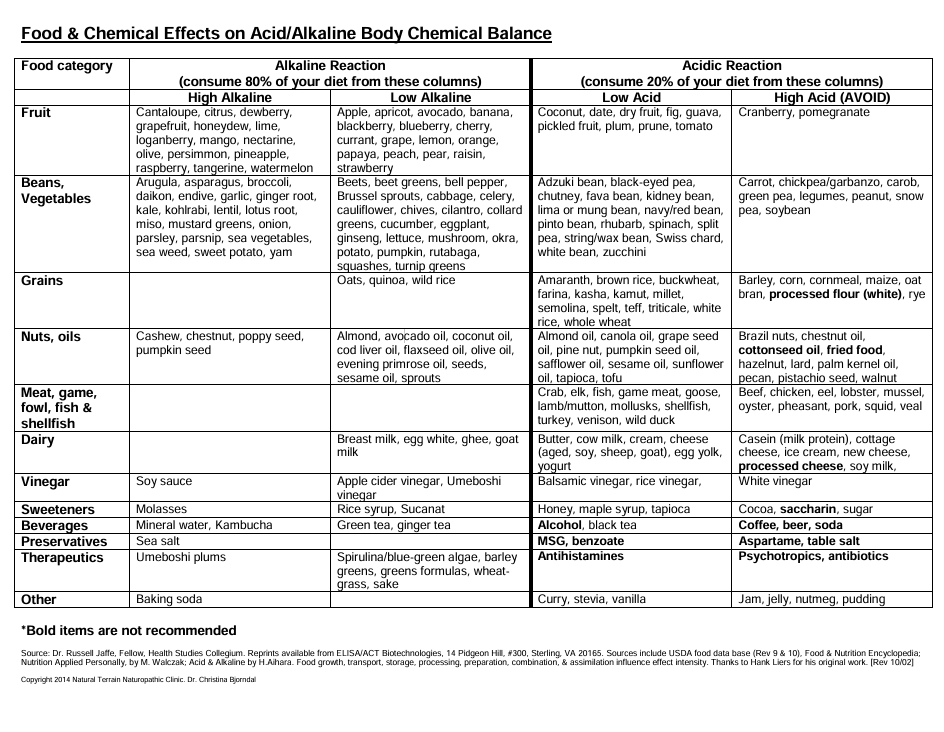 Modern agriculture and food preservation methods have seriously damaged the human diet. The detrimental effects on the human body caused by acidic wastes from processed food and chemical additives are numerous. Acidic byproducts of the foods we eat are the common denominator in all degenerative disease. When acidic wastes accumulate, they can cause organs to malfunction and break down. Balancing the body’s acid-alkaline pH factor is an important way to improve health. For necessary reactions and functions to occur in our body, it must be have a proper pH balance. The internal chemical environment of our bodies is maintained at a pH of approximately 7.0 – which is alkaline. Maintenance of this state is a dynamic process mediated in each moment by numerous reactions that produce acid by-products. Our organs (such as our lungs, kidneys, intestines, and skin) primarily control this internal equilibrium. The body needs oxygen, water, alkaline reserves and acid-buffering minerals to accomplish pH balance.
When an alkaline environment is maintained in the body it is able to function optimally. The acid-forming by-products of stress, inflammation and a poor diet are neutralized only when sufficient mineral-buffering reserves are present. Mineral buffering reserves are the gift that alkaline-forming foods give to our body. A diet that is predominantly alkaline forming is essential to the maintenance of sustained health. Most fruits and vegetables contain higher proportions of alkaline-forming elements than other foods.
Large amounts of protein and fat promote acid-forming elements; therefore, cow’s milk and dairy products are acid forming. An exception is clarified butter (known as “ghee” in Indian cookery), which has alkalinizing short chain fats known as butyrates and caprylates. The butyrates and caprylates present in ghee are also thought to promote healthy bacterial growth in the intestines, help repair of the intestinal wall and decrease the growth of harmful bacteria, yeast and parasites. On the next page is a chart which categorizes foods as acid or alkaline forming based on how the food is metabolized in the body. In general, fruits, vegetables, lentils, seeds, sprouts, roots and tubers are alkalinizing.
On the other hand, grains, grasses, fowl, fish, seafood, dairy products, meats and most beans are acidifying. To remember this, consider that if a food comes from under or near the ground, it is likely to be alkalinizing. If it comes from on or high above the ground, it is likely to be acid forming.
Tips For Alkalinizing Your Diet
1. Increase consumption of vegetables and fruits as most are alkalinizing
2. Add freshly squeezed lemon or lime juice (¼ – ½ a wedge) in water as a beverage (note: do not put lemon peel in water to avoid drinking pesticides on the peel) & drink lots of pure water.
3. Have 1 cup of alkalinizing greens daily, such as kale, collards, mustard green, rapini, spinach, etc.
4. Eat less acid-forming grains, (wild rice and quinoa instead of wheat and white rice).
5. Learn to make a miso broth (1 tsp of miso dissolved in one cup of hot (not boiling) water). Experiment with adding cooked daikon radish rounds and a small amount of cooked wakame seaweed to the miso broth
6. Make blender drinks using alkaline juices, green powdered supplements and fruit
7. Choose fish and lamb over beef and chicken for less acid forming animal protein
8. Use olive oil as it is less acid forming than other vegetable oils
9. Use buffered Vitamin C to alkalinize the system
10. Practice deep breathing – as oxygen is alkalinizing to the body
11. Ensure alkaline forming foods comprise 80% of your diet and acid forming foods 20% of your diet (see chart on reverse)