Spring Detox Recipes

Spring is a time of new beginnings. As the winter snow begins to melt and temperatures warm, new growth is nourished and greenery abounds. Spring is also a time to restore health and with the change in season, we may consider detoxifying, or removing harmful substances from our lives, including our diets.

The liver is a major organ of detoxification in the body, and there are numerous foods that can be included in our diet which support the liver. Such liver supportive foods include broccoli, cauliflower, cabbage, kale, Brussels sprouts, dandelion greens, beets, lemon juice, carrots, onions and garlic to name a few. By including more of these foods in your diet and by limiting or avoiding other foods that are less supportive of your health (for example, processed foods and foods high in sugar such as candy, chips, baked goods, etc.) you will be on your way to a healthier you.

Roasted Broccoli and Cauliflower Soup

Adapted from: http://www.fortheloveoffoodblog.com/roasted-fennel-and-cauliflower-soup/

This soup provides the beneficial compounds found in cauliflower and broccoli. It can be warming on those still cool days as we transition into spring, yet feels refreshing from the fresh dill and lemons.

Ingredients
• 1 medium-sized head broccoli, chopped (about 2 cups)
• 1 medium-sized head cauliflower, chopped (about 4 cups)
• 1 tablespoon olive oil
• 1 medium yellow onion, chopped
• 2 garlic cloves, minced
• 6 cups vegetable stock
• 2 cups cooked garbanzo beans or chickpeas
• 5 large kale or collard leaves, or a combination, tough ends removed and leaves roughly chopped
• Sea salt and freshly-ground black pepper
• 2 tablespoons fresh dill, divided
• 2 organic lemons, zested, then cut into wedges, optional
• Olive oil for drizzling, optional

Instructions
• Preheat oven to 350 degrees F. Line sheet pan with parchment paper.
• Lay broccoli and cauliflower flat on sheet pan and roast for 30 minutes, turning occasionally, until tender. Remove from oven and set aside.
• Add olive oil to a large pot over medium heat. Add the onions and sauté for five minutes, until translucent. Add the garlic and sauté for 1 – 2 minutes, until fragrant. Add the roasted broccoli and cauliflower, vegetable broth, and garbanzo beans/chickpeas. Bring to a boil then simmer for 10 – 15 minutes. Stir in greens, and simmer for 3 minutes.
• Add one tablespoon of fresh dill and blend the soup by using an immersion blender or transferring it to a regular blender. (If using a regular blender, be very careful as the steam can sometimes cause the lid to blow off. Blend in small batches while holding the lid down with a pot holder or towel in hand.)
• Before serving, add sea salt and black pepper to taste. Garnish bowls with remaining fresh dill, lemon zest, a drizzle of olive oil, and serve with lemon wedges.

Notes
• Consider using the stems from the kale or collard greens, which can be finely chopped and cooked along with the onions.

Baked Cauliflower & Broccoli Falafel

Adapted from: http://labat56.com/baked-cauliflower-broccoli-falafel/

Makes about 18 falafel balls.

Not your average falafel! These falafel are baked, not fried, easing the burden on the body by avoiding unhealthful fats. They contain broccoli and cauliflower, which are important in supporting the liver’s detoxification role. They are also seasoned with turmeric, a spice with anti-inflammatory properties and additionally assists in liver function.

For cauliflower-broccoli “rice” 
(You will need 2 cups of cauliflower & broccoli rice for this recipe).
• 1 small head of cauliflower
• 1 small head of broccoli

Instructions for cauliflower-broccoli “rice”
• Chop cauliflower and broccoli each into small florets, transfer pieces to a food processor and pulse until pieces are finely chopped and resemble rice.
• Measure 2 cups of cauliflower-broccoli rice in a large bowl and set aside.

For Falafel
• 2 cups cauliflower-broccoli rice
• 1 ½ cups chick peas (one 15.5oz can, rinsed and drained)
• 1 tablespoon fresh lemon juice
• 1 small onion, roughly chopped
• 1/4 cup gluten free oat flour
• 1/3 cup chickpea flour (also known as garbanzo bean flour)
• 1 teaspoon baking powder
• 1/2 teaspoon ground coriander
• 1/2 teaspoon sea salt
• 1/2 teaspoon ground cumin
• 1/4 teaspoon turmeric
• Sea salt and ground black pepper, to taste

Instructions for Falafel
• Preheat the oven to 400F. Line a baking pan/sheet tray with parchment paper and set aside.
• Add chickpeas and lemon juice to food processor. Process on high until a crumbly-textured paste forms (It is ok if there are some pieces of chickpeas present).
• Transfer chickpea paste to the bowl of broccoli-cauliflower “rice”. Add spices (from coriander to turmeric) and mix broccoli-cauliflower “rice”, chickpea paste and spices by hand until well combined. Taste and adjust seasoning with additional sea salt and ground black pepper, to taste.
• Place the onion in food processor and process on low until more finely diced. Add diced onions to the bowl with the now spiced chickpea paste and broccoli-cauliflower “rice” mix.
• Add flours, baking powder, and mix well again.
• With a spoon (or ice cream scoop), take a scoop of the mix and shape it into a ball. It should be about 1 1/2″ ball. Place it on the prepared pan. Repeat this step until the mixture is gone.
• Bake falafels in the preheated oven for about 30 minutes until golden, flipping after 15 minutes. Cool slightly at room temperature before serving.

Notes:
Alternatively, you can shape the falafel into patties and eat as a veggie burger. You may have to increase the cooking time depending on the size and thickness. Bake accordingly.

3-Day Detox Plan

With each change of season, many take the opportunity to tune up their diets with a spring cleanse or fast. There are many types of detoxification programs and what most have in common are recommendations for a “clean” diet & supplement suggestions to support the metabolism and elimination of toxins. However, what most miss is the suggestion to decrease your exposure to toxins in the first place. If you haven’t already done so, please take our Environmental quiz and see how you score. Another article to review is: Environmental Toxins – do you know your levels. Since there are many endocrine disruptors in the environment that can block receptors of cells and interfere with cellular processes in the body, an important detoxification step in homeopathy that we prescribe is “drainage” – which helps to remove toxins in the extracellular matrix that surround organs. This step ensures that the nutrients you are taking to support health have a greater chance of being delivered to the cell. Generally, we support liver detoxification in three steps:
Step 1: homeopathic remedies to start the “drainage” or removal of toxins in the extracellular matrix
Step 2: nutritional support to help the liver get rid of these toxins and
Step 3: a herbal combination to promote better liver function.

We have five detoxification organs – our liver, kidneys, colon, lungs and skin. If the liver cannot keep up with the removal of toxins, the detoxification process spills onto the other organs and when the entire system is overburdened, symptoms appear such as skin issues (acne, eczema), asthma, headaches or digestive issues (constipation, bloating, gas, indigestion). A key step in a complete detoxification program is diet. If you are up for it, we have outlined a 3 Day Detox plan – we hope you give it a try!

3 DAY MEAL PLAN

Day 1, 2 & 3

• UPON RISING – Ginger Lemon Detox Drink
• BREAKFAST – either the Super Detox Green Juice or Super Simple Green Drink
• MID MORNING SNACK – Cucumber, Celery & Carrot Sticks
• LUNCH – Sushi Salad or green salad
• AFTERNOON SNACK – Activated almonds
• DINNER – Potassium Balance Soup
• DESSERT – Chia Pudding
• AFTER DINNER – Calming Chamomile Tea

UPON RISING: Ginger Lemon Detox Drink (Serves 1)
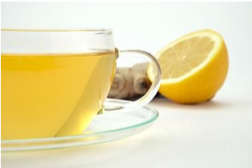
Ginger is a powerful detoxifier that helps to kick-start your metabolism. Along with hydrating your body, this drink will help to stimulate bowel movements.

Drink one large glass, but you can drink more if you like – hydration is important.
• 12-ounces of room temperature spring or filtered water
• Juice of 1/2 lemon (do not put peel in water)
• ½ inch ginger root

Add the lemon juice to the glass of water. Finely grate the ginger on a chopping board, then squeeze the ginger pieces in your hand, letting the juice of the ginger drip through your fingers and into the glass of water. Enjoy at room temperature upon rising for an amazing start to the day!

BREAKFAST: Option 1: Super Detox Green Juice (Serves 1)
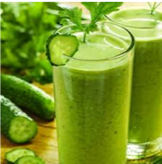
This morning juice includes a potent blend of easily digestible alkaline minerals. Alkalizing your blood is important during the cleansing process because it keeps bad bacteria, yeast and fungi in check, which decreases cravings.

Drink one large glass, but feel free to have a second. If you don’t have a juicer use a blender or magic bullet with some filtered water.
• 2 to 3 organic celery stalks, leaves removed
• 1 small organic cucumber
• 2 organic kale leaves
• Handful of fresh parsley
• 1 small lemon or lime, peeled
• 1 organic pear or organic apple
Juice all of the ingredients and sip slowly. For an extra health kick, stir in barley grass, wheatgrass, fibre/chlorella powder* and/or spirulina powder.

Option 2: Super Simple Green Drink (Serves 1)
This option is for those without a juicer or who have limited time! It is a highly alkalizing green drink, which helps to detoxify the blood. It may taste a little strange at first, but the more you drink it, the more you’ll get used to the flavor.

• 12 ounces spring or filtered water
• 1 tablespoon barley grass or wheatgrass powder
• 1 teaspoon spirulina or fibre/chlorella powder*
*Fibre/chlorella powder available at our clinic

Stir all of the ingredients together and then serve.

MID-MORNING SNACK: Cucumber, Celery And Carrot Sticks (Makes enough for 3 days)

This is your morning snack and keeps your cleanse on track. It’s easy to prepare and have when you’re on the run.
• 3 organic celery stalks, leaves removed
• 3 small organic cucumbers
• 3 small organic carrots
Wash all of the vegetables and cut them into small strips. Store in the fridge to keep them fresh and crisp.

Option: have another Super Detox Green Juice or Super Simple Green Drink.

LUNCH: Sushi Salad (Serves 1 or 2)

This salad includes a powerful mix of sprouts and sea vegetables. Sea vegetables, including nori, are nutritionally dense. They are particularly high in calcium and iodine, which helps to draw toxins from the body. If you’re at work or on the run, and have no time to prepare this salad, choose a big green vegetarian salad for lunch with an “all natural” dressing. Make sure to read ingredients; if it looks suspicious or contains sugar, ask for fresh lemon and extra-virgin olive oil on the side or forego the dressing.

For the Salad: Mix together in a bowl
• 1 ripe avocado, chopped
• 2 small organic cucumbers, halved and chopped
• 1 organic carrot, grated
• handful of organic sprouts (preferably alfalfa, watercress, or sunflower sprouts)
• handful of fresh organic cilantro, finely chopped
• 1 nori sheet, cut roughly with scissors into bite-size strips
• 1 tablespoon toasted sesame seeds

For the Dressing: Mix together in a bowl or jar. Toss on salad
• 1 tablespoon finely grated ginger root
• 1 tablespoon organic tamari sauce
• juice of 1 organic lemon

To prepare the dressing, take the ginger gratings and squeeze them between your fingers, making your hand a fist, into a small jar. Discard the pulp. Add the tamari and the lemon juice to the ginger juice. Close the lid and shake. Toss with the salad dressing and sprinkle seeds over the top to garnish.

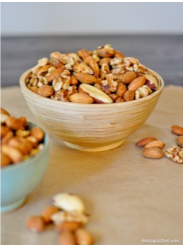
AFTERNOON SNACK: Activated Almonds (Makes enough for 3 days)

A handful of soaked (or activated) nuts will be your afternoon snack throughout this cleanse. Plan ahead by soaking a large bowl of raw almonds overnight, straining the water away in the morning, and storing them covered in the fridge.

Why soak nuts?

      • to break down phytic acid and make digestion easier
      • to make the proteins more readily available for absorption
      • to encourage the production of beneficial enzymes
      • to help neutralize toxins in the colon and keep the colon clean
      •  to increase the amounts of vitamins, especially B vitamins
  • 3 handfuls raw almonds (you can use a mixture of macadamia nuts, pecans, hazelnuts, Brazil nuts, pine nuts, pumpkin seeds or sunflower seeds
  • Filtered or spring water at room temperature
  • 1 teaspoon unrefined sea salt
    In a large bowl, place all of the ingredients with enough water to cover fully. Leave at room temperature for at least 4 hours or overnight. Strain in a sieve. Store the nuts in a covered container in the fridge.

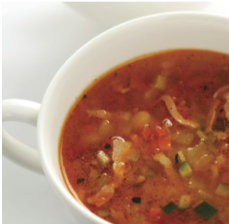
DINNER: Potassium Balance Soup (3 Servings – 1 serving per night during the detox)

Based on a recipe from physician Henry Bieler (Bieler’s Broth), this vegetable tonic provides an ideal combination for restoring acid–alkaline and sodium–potassium balance to the body’s organs and glands.
• 4 cups spring or filtered water
• 4 medium organic zucchini, finely chopped
• 3 organic celery stalks, leaves removed, then finely chopped
• 1 cup roughly chopped green string beans
• 1 large bunch fresh organic parsley, stems and leaves roughly chopped
• 3 medium organic tomatoes, finely chopped
• 3 garlic cloves, finely chopped
• 2 teaspoons unrefined sea salt or 1 tablespoon organic miso paste
• 2 teaspoons dried thyme, rosemary, oregano, or other French Provence herbs for added flavour
Put all of the ingredients in a large stock or sauté pot. Bring to a boil, then lower the heat, cover, and let simmer for 30 minutes. Serve warm. If you wish to create a thicker soup, you can purée the soup in batches in a blender until smooth or creamy; however, this soup is also delicious as is. Store covered in the fridge for use within one week or freeze for extended storage.

DESSERT: Chia Seed Pudding (3 Servings – 1 serving per night during the detox)

This after-dinner snack includes chia seeds, a gelatinous plant food that helps detoxification. Chia seeds are also high in omega-3’s and make you feel full and satiated!

• 1 ¼ c nut or coconut milk (either store bought or homemade) – homemade nut milk recipes below
• 1 tablespoon raw honey or maple syrup
• 4 tablespoons chia seeds
• 1 teaspoon ground cinnamon

In a large jar, combine all of the ingredients and shake well. Pour the mixture into 3 small bowls or glasses and refrigerate until it thickens into a pudding-like consistency, about 30 minutes. This is a delicious treat and keeps for up to a week covered in the fridge.

Almond milk (serves 1)
• ½ c raw almonds
• 1 tablespoon honey or brown rice syrup
• 1 cup water
Combine almonds, honey and ½ c water in blender. Slowly add remaining water and blend until creamy. If you like a thinner milk, add 1 to 3 ounces more water.

AFTER DINNER: Calming Chamomile Tea (Serves 1)
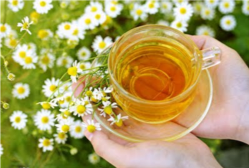
Chamomile tea will help to calm your body and prepare you for a restful night’s sleep. Deep restful sleep during this cleanse is important because of how it will help you digest unwanted stress hormones, which can cause you to gain weight.
• 1 cup spring or filtered water
• 1 chamomile tea bag or 1 tablespoon dried chamomile flowers
Bring the water to a boil and pour into a teacup or mug. Add the tea bag or, if using loose flowers, use a teapot and a strainer. Steep for 3 to 5 minutes, then enjoy.
Optionally, try other herbal detox teas, such as nettle, dandelion root, or licorice root. We recommend teas by Dragonfly Organics, www.dragonfly-organics.com

SHOPPING GUIDE – PREPARING FOR THE 3 DAY DETOX

Grocery List

For the detox, you will need to first select which breakfast you would like…

Super Detox Green Juice

  • Organic celery stalks (4-6 stalks)
  • Organic cucumber (3 Small)
  • Organic kale leaves (6 leaves)
  • A handful of fresh parsley
  • Lemon or lime (3 small)
  • Organic pear or organic apple (3)
OR

Super Simple Green Drink

  • Barley grass or wheatgrass powder (3 tablespoons)
  • Spirulina powder (3 teaspoons)

Once you have selected which breakfast you would like, add that shopping list to the following list.

  • Filtered or spring water
  • Lemon (6)
  • Organic Celery Stalks (6 Organic)
  • Organic Cucumbers (10 small)
  • Organic carrots (6 small)
  • Organic tomatoes (3 medium)
  • Organic zucchini (4 medium)
  • Green string beans (1 cup)
  • Avocado (3 ripe)
  • Organic sprouts, preferably alfalfa, watercress, or sunflower sprouts (3 handfuls)
  • Garlic cloves (3 cloves)
  • Ginger (3 knobs)
  • Fresh organic cilantro, finely chopped (3 handfuls)
  • Dried thyme, rosemary, oregano, or other French Provence herbs (2 teaspoons)
  • Fresh organic parsley (1 large bunch)
  • Ground cinnamon (1 tsp)
  • Nori sheets (3)
  • Tamari or soy sauce (3 tablespoons)
  • Organic miso paste (1 tablespoon) or Unrefined sea salt (2 teaspoons)
  • Raw almonds (you can use almonds or a mixture of macadamia nuts, pecans, hazelnuts, Brazil nuts, pine nuts, pumpkin seeds or sunflower seeds) (3 handfuls)
  • Toasted sesame seeds (3 tablespoons)
  • Unrefined sea salt (1 teaspoon)
  • Raw honey or maple syrup (1 tbsp)
  • Chia seeds (4 tbsp)
  • Homemade Nut Milk or Homemade Coconut Milk, or if you do not have time, use store-bought almond or hemp milk
      • Raw almonds (1.5 cups)
      • Honey or rice syrup (3 tbsp)
  • Chamomile Tea / Dried Chamomile Flowers

Note: If a listed ingredient is not in season or available where you live, substitute something similar.

WHAT YOU CAN EXPECT DURING AND AFTER THE DETOX:

After the detox, you’ll likely come away with increased energy, improved mental clarity glowing skin, weight loss, increased immunity, and a renewed passion for life.

We recommend doing this detox twice a year in the Spring and Fall. If you’re feeling more adventurous or want to experience even better results, extend the detox to seven or ten days and add in some of the healthy lifestyle suggestions listed below. If you haven’t done a detox before and are unsure what to expect, you might want to start the program on a Friday and complete the detox over the weekend.

Some people may feel energized, others may want to rest; but either way, it’s about listening to your body. Some people may experience mild detox symptoms, which include headaches, tiredness, irritability, and mucus elimination. These are all normal symptoms and a sign that your body is beginning to cleanse.

Reference/Sourced from: Hungry For Change by: James Colquhoun and Laurentine Ten Bosch, Harper Collins 2012
Caffeine – is it healthy?

Is coffee part of your morning routine? Are you convinced that it is good for you? Have you ever considered that it might not be? Everything in moderation, right? Since the explosion of Starbucks, Tim Horton’s and Second Cup, the popularity of caffeine has led people to turn a blind eye to its harmful health effects. Now the dangers are clear and it is hard to refute that there are many symptoms generated by this addictive substance. I am often met with resistance when I ask people to eliminate caffeine (in all forms) from their diet. However, once I explain the harmful effects of caffeine and the benefits of lowering or eliminating it from their lifestyle compliance increases. A colleague explained caffeine’s effects on the body in this useful analogy:
“Imagine you have a pair of soaked sponges. They are so full that the minute you pick them up, they spill over with excess water. These are your healthy adrenal glands that are spilling over with energy producing and stress-regulating hormones, such as cortisol. With each event in your life, you start to squeeze the sponges little by little:

  • Teenage years & parties
  • University stress/cramming for exams
  • College parties
  • Finding a job after graduation
  • Starting a career
  • Buying a car
  • Moving and buying a home
  • Dating
  • Planning a wedding & honeymoon
  • Work promotions
  • Having a child
  • Having a 2nd child
  • Divorce
  • Death of a loved one
  • Moving, etc.

If you don’t take time to recharge your batteries, or in this case refill your sponges, they will slowly start to dry out. When daily tasks become major stressors and you fall into a reactive mindset, caffeine can save the day. Caffeine does a fantastic job at squeezing your sponges (ie stimulating your adrenal glands) to release more water (ie produce more stress regulating hormones). Unfortunately, when you’re in survival mode you are often not taking the time to properly rest, eat healthy and nourish your adrenals. As a result, your sponges dry out even more. Instead of 1 cup of coffee in the morning, you now need 3 cups to wring out the last few drops of adrenaline/cortisol until you eventually reach “adrenal fatigue”. Your body is no longer able to function properly and you can physically collapse. This is often seen after someone finishes a big project, goes out to celebrate and within days finds themselves sick.”1

The above analogy demonstrates the physiological effects of caffeine. It is important to recognize that caffeine is an addictive substance and that it can be a slippery slope into the dependency pit of addiction.

A few questions to ask are:

  1. Why do you need caffeine? Is it a pick me up because you are tired? If so, have you addressed why are tired? If you have problems sleeping, is it possible that caffeine is disturbing your sleep?
  2. Can you go without caffeine without experiencing withdrawal symptoms?

I am asking these questions so you think about your behaviour. Listen, I get it, we all do things that aren’t good for us and the key word in life is balance. I find it interesting when people are so proud that they don’t drink coffee but they eat a ton of chocolate, drink pop (both of which have hidden caffeine), eat sugar-laden foods or drink too much alcohol. My goal as a health care provider is to assess your diet to see if what you are consuming on a daily basis is contributing to your health issues or supporting vitality. It is important to remember that everything that passes into your body informs your body. You are made of nutritional building blocks – such as water, vitamins, minerals and fats – and some of these nutrients are ESSENTIAL. This means that we can’t make them ourselves – we must get them from our diet – and if we don’t, we will be deficient. My husband who, is also an ND, is anti-coffee. When we practiced in Fort McMurray, word spread that he recommended patients to eliminate coffee. Some patients preferred to see me instead of him for that reason! What they didn’t know is that, depending on your individual health concerns, I may also have recommended that you quit coffee. Let’s look at the list of potential side effects from overuse of caffeine:

    1. Negative Influence on Vitamins and Minerals:2
      1. Caffeine’s diuretic effect depletes important minerals (ie calcium, magnesium, potassium, zinc, iron etc) and vitamins (Vitamin B1 (thiamine), Vitamin C)
      2. Coffee reduces absorption of iron and calcium & vitamin D, especially when it is consumed around mealtime. These minerals are extremely important as deficiencies can lead to osteoporosis and anemia.
      3. In children and adolescents, caffeinated drinks interfere with essential minerals needed for growth and development.
    2. GI irritation:3
      1. As little as 1 cup of coffee stimulates acid secretion in the stomach for more than an hour in a healthy individual. In someone with an ulcer, the effect is greater and lasts more than two hours.
      2. Long term use of caffeine can play a role in ulcer formation. It can aggravate an existing ulcer4 and interferes with the healing process
      3. Diarrhea can also occur with the overuse of caffeine, which relaxes the smooth muscle in the colon. The laxative effect of caffeine can also create a bowel dependency
    3. Cardiovascular system effects:
      1. Caffeine raises blood pressure5. Hypertension is a risk factor in atherosclerosis and heart disease.
      2. Caffeine increases blood levels of cholesterol and triglycerides which are risk factors in cardiovascular disease.
      3. Heart rhythm disturbances and arrhythmias6 can occur with caffeine. Disturbances include an increased heart rate and excitability of the heart nerve conduction system, leading to both palpitations and extra beats.
      4. Caffeine also increases norepinephrine secretion which causes constriction of arteries leading to restricted blood flow.
      5. Because of the cardiovascular stimulation of caffeine, it seems reasonable to assume that long term consumption of four to five cups of coffee per day can increase the incidence of heart attacks (myocardial infarction).
    4. Central nervous system (CNS) effects:7
      1. Caffeine is a CNS stimulant – it works by blocking the effects of adenosine, which is a substance that is created in the brain. Adenosine binds to its receptors and slows down nerve cells. This causes drowsiness and blood vessels to increase in diameter to let more oxygen in during sleep. Caffeine has a similar shape to adenosine and binds to its receptors, but it has a stimulating effect and speeds up nerve cells thereby increasing energy.
      2. Common CNS side effects of caffeine use include: nervousness, irritability, insomnia, “restless legs,” dizziness, headaches and fatigue.
      3. Psychological symptoms of depression, general anxiety or panic attacks may also occur.
      4. Hyperactivity and bed wetting may also develop in children who consume caffeine.
      5. Addictions: Experiments with animals show when coffee is added to the diet, animals voluntarily drank more alcohol than the amount consumed without coffee.
      6. Caffeine enters the blood and can have effects 15 minutes after it is consumed. It then takes about 6 hours for one half of the caffeine to be eliminated.
    5. The exhausting effects of caffeine:8
      1. Caffeine increases blood sugar levels (especially when it is sweetened) by stimulating the adrenal glands. Over time, both stress, caffeine and sugar consumption weakens adrenal function resulting in fatigue8,9. Because of tiredness, people turn to caffeine for that morning pick me up as caffeine can override this fatigue by stimulating the adrenals. The problem is that over time this contributes to chronic fatigue, adrenal exhaustion and subsequent inability to handle stress and sugar intake. As such, adrenal exhaustion/stress/fatigue/hypoglycemia syndrome is associated with caffeine use.
    6. Cancer-causing effects:
      1. The incidence of bladder, prostate, ovarian, stomach and pancreatic cancers is increased with caffeine use.
        1. Bladder cancer is aggravated by the combination of nicotine and caffeine due to the mild dehydration that results from the use of these two drugs.
        2. Ovarian cancer is increased in women with an association of long-term coffee intake.
        3. Pancreatic cancer has also been in question as occurring more frequently with increased coffee use (more than 3 cups per day)10.
        4. Prostate enlargement and cancer may also be attributed to increased caffeine intake.
        5. There is a higher incidence of stomach cancer with more than five cups per day.
    7. Other effects:
      1. Kidneys: Caffeine is also correlated with kidney stones, possibly as a result of its diuretic effect and of the effects of chemicals used in processing coffee.11
      2. Fibrocystic breast disease may also be a consequence of caffeine use as there is an increase in the size and number of cysts with caffeine consumption.12 A reduction/reversal of the condition is experienced when caffeine is eliminated from the diet.

Common Symptoms of Caffeine Abuse

  • Agitation
  • Anxiety/Nervousness
  • Bed wetting
  • Depression
  • Diarrhea
  • Dizziness
  • Fatigue
  • Gastrointestinal irritation
  • Headache
  • Heartburn
  • Increased blood pressure
  • Increased cholesterol & triglycerides
  • Increased or irregular heart rate
  • Insomnia
  • Irritability
  • Nutritional deficiencies
  • Poor concentration
  • Tremors
  • Ulcers
  • Upset stomach

Common Symptoms of Caffeine Withdrawal

  • Anxiety/ Nervousness
  • Apathy
  • Constipation
  • Cramps
  • Craving
  • Depression
  • Digestive upset
  • Dizziness
  • Drowsiness/Fatigue
  • Feeling cold
  • Headache
  • Insomnia
  • Irritability
  • Nausea
  • Poor concentration
  • Rapid heart rate
  • Ringing in the ears
  • Runny nose
  • Shakiness
  • Vomiting

Common Symptoms of Caffeine Withdrawal

What Foods Contain Caffeine? 13
Caffeine Amount
Coffee – 8 oz 95-150 mg, varies depending on the roasting and grinding. Dark roasts tend to have less caffeine than lighter roasts, but it is a subtle difference.14
Decaf – 8 oz 2 – 12 mg
Green Tea – 8oz 24 – 45 mg
Black Tea – 8oz 14 – 70 mg
Hot Chocolate – 8 oz 8 mg
Soda/Pop – 12oz (1 can) 46 mg
Cocoa/Chocolate– 50g 3 – 63 mg
Excedrin 65 mg
Anacin 32 mg
Midol 32 mg
Dristan 16 mg
Guarana root15 3.6% – 5.8% by weight
Kola nut16 2.0% – 3.5% by weight
Yerba mate tea – 8 oz17 85 mg

How Much Caffeine is Safe?

  • 300 mg/day is thought to be a moderate daily intake and it not linked to any negative health effects; however, we often recommend drinking less than this.

PREGNANCY AND CAFFEINE18

  • Although research is conflicting, there is enough evidence that large daily doses of caffeine are harmful in pregnancy. Therefore, we recommend eliminating caffeine if trying to conceive or in pregnancy until more research is done. Some studies have shown that caffeine intake of more than 300mg/day can cause delayed conception.
  • Birth Defects have been noted with higher levels of caffeine use during pregnancy. Caffeine crosses the placenta and affects the fetus as it has mutagenic effects (ie it breaks chromosomes in nuclei of cells and interferes with the repair of DNA).
  • Strong evidence that large daily caffeine consumption may increase miscarriage, preterm delivery and low birth weight (especially when infants are premature).
  • Caffeine easily passes from mom to fetus through the placenta. Due to the immature fetal organs, the fetus may have a harder time breaking down caffeine.
  • Even moderate amounts of caffeine can increase fetal heart rate and movement patterns.

Maternal Effects

  • Hydration is important in pregnancy since blood volume increases. Since caffeine acts to increase urination, it therefore decreases body fluids and blood volume.
  • A pregnant women’s ability to break down caffeine slows down as pregnancy progresses.
  • Breastfeeding: High caffeine intake by a nursing mother can cause the baby to be irritable and have disturbed sleep cycles.

Ways to decrease caffeine intake

  • Cut back gradually – keep a log of how much caffeine you consume (remember to include medications), then gradually decrease coffee by 1 cup/day
  • Substitute with herbal tea, hot cider, or healthy coffee substitutes
  • Ask others to decrease coffee intake with you as there is strength in numbers
  • Dilute your regular coffee with hot water
  • Drink lattes with more milk than coffee
  • Brew tea/coffee for less time
  • Change routines – for example, if you need caffeine in the morning to give you a boost, try a light walk for 20min – physical activity can greatly increase energy levels.
  • Ensure you are drinking the minimum water requirement which is ½ your body weight in ounces – for example, if you weight 180lbs, your minimum water amount is 90oz or 3L. Remember that coffee is a diuretic so depending on how many cups your are drinking per day, you may be in a negative water balance and most likely need to consume more.


References:

  1. Chen, Alison: http://www.dralisonchen.com/2015/02/is-your-caffeine-addiction-a-preventative-healthcare-measure/
  2. Parry N. Does Caffeine Affect the Absorption of Vitamins and Minerals? Livestrong.com: http://www.livestrong.com/article/464884-does-caffeine-affect-the-absorption-of-vitamins-or-minerals/
  3. Can Drinking Coffee Cause Diarrhea? Livestrong.com: http://www.livestrong.com/article/348718-can-drinking-coffee-cause-diarrhea/
  4. Does Coffee Irritate Stomach Ulcers? Livestrong.com: http://www.livestrong.com/article/347548-does-coffee-irritate-stomach-ulcers/
  5. American Society of Hypertension. Studies Indicate Lifestyle Variations Affect Hypertension. Today’s Dietician. Available at: http://www.todaysdietitian.com/news/070811_news.shtml. Accessed March 18, 2015.
  6. Katan M, Schouten E. Caffeine and Arrythmia. Am J Clinic Nut. 2005;81:539-540. Available at: http://ajcn.nutrition.org/content/81/3/539.full. Accessed March 17, 2015.
  7. How Caffeine Affects the Nervous System. Livestrong.com: http://www.livestrong.com/article/409740-how-caffeine-affects-the-nervous-system/
  8. Chronic Fatigue: Tired of Feeling Tired? WebMD: http://www.webmd.com/women/features/chronic-fatigue-tired-feeling-tired?page=2
  9. The Hidden Dangers of Caffeine; How Coffee Causes Exhaustion, Fatigue and Addiction. Natural News: http://www.naturalnews.com/012352_caffeine_coffee.html
  10. Brian MacMahon, M.D., Stella Yen, M.D., Dimitrios Trichopoulos, M.D., Kenneth Warren, M.D., and George Nardi, M.D. Coffee and Cancer of the Pancreas. N Engl J Med 1981; 304:630-633. Available at: http://www.nejm.org/doi/pdf/10.1056/NEJM198103123041102. Accessed March 17, 2015.
  11. Kidney Stones and a New Risk For Coffee Drinkers. Mercola.com: http://articles.mercola.com/sites/articles/archive/2004/09/22/kidney-stones-coffee.aspx
  12. Fibrocystic Breast Condition. Brown University Health Promotion: http://www.brown.edu/Student_Services/Health_Services/Health_Education/womens_health/fibrocystic_breast_condition.php
  13. Caffeine content for coffee, tea, soda and more. Mayo Clinic: http://www.mayoclinic.org/healthy-living/nutrition-and-healthy-eating/in-depth/caffeine/art-20049372
  14. What kind of coffee has the most caffeine? Livestrong: http://www.livestrong.com/article/144174-what-kind-coffee-has-most-caffeine/
  15. Vitamins and Supplements Lifestyle. Guarana. WebMD: http://www.webmd.com/vitamins-and-supplements/lifestyle-guide-11/supplement-guide-guarana
  16. Kola Nut. Drugs-Forum: https://drugs-forum.com/forum/showthread.php?t=116270
  17. Yerba Mate Tea. Caffeine Informer: http://www.caffeineinformer.com/caffeine-content/yerba-mate
  18. Caffeine Intake During Pregnancy. American Pregnancy Assocation: http://americanpregnancy.org/pregnancy-health/caffeine-during-pregnancy/

Recipes to Help Fight Allergies

Quinoa Salad Stuffed Peppers

Adapted from http://www.eyecandypopper.com/2014/10/13/meatless-monday-quinoa-stuffed-sweet-peppers-and-arugula-vegan-gluten-free/ and http://www.seletsucre.com/roasted-vegetable-quinoa-salad/

Vitamin C is a natural anti-histamine and benefits the immune system by increasing many different immune functions. Rich in vitamin C, peppers are a great addition to meal or snack time. This quinoa salad includes kale and parsley, both of which also are sources of vitamin C.

Yield- 4 servings

Ingredients
• 4 large peppers (colour of your choice)
• 1 cup quinoa, uncooked and rinsed well
• 2 cups water or stock (vegetable or chicken)
• 2 tbsp Camelina oil or extra virgin olive oil
• 1 large onion, diced
• 2 garlic cloves, minced
• 1 zucchini, diced
• 1 pint cherry tomatoes, halved
• 4 large leaves of kale (or collard or beet greens), torn into pieces
• 5-6 sprigs of parsley, finely chopped
• Sea salt, to taste
• Ground black pepper, to taste

Instructions
1. Cut the tops off of the peppers around the stem. Remove all of the seeds and place on a baking sheet lined with parchment paper.
2. Pre-heat oven at 400oF.
3. In a medium-sized pot, bring the water or stock to a boil. Add the rinsed quinoa and reduce the temperature to medium-low. Cover and cook for 15-17 minutes. (If the liquid has completely evaporated before the end of cooking time, add a bit more water). Once cooked, remove from the heat, covered, and let sit for 5 minutes.
4. While the quinoa cooks, warm the oil in a pan on medium heat. Add the diced onion and sauté for 3-4 minutes, or until translucent. Add the garlic and cook for another 2-3 minutes. Next, add the zucchini and tomatoes and cook for 2-3 more minutes. Add the kale and parsley, mix and cook for 1-2 minutes. Turn off the heat.
5. When the quinoa has finished cooking, add it to the pan with the vegetables. Stir well to combine. Season with salt and pepper to taste.
6. Fill the prepared peppers with the quinoa mixture until overflowing.
7. Place the stuffed peppers in the oven and cook for 25-30 minutes. (You want the peppers to be cooked, yet holding their form (not mushy and overcooked).
8. Remove the peppers from the oven and let cool for several minutes before serving. Enjoy!

Sweet Nettle and Ginger Tea

Adapted from The Whole Life Nutrition Cookbook

Nettle (known as stinging nettle) is a great herb for managing seasonal allergies or hay fever. Combined with ginger (containing anti-inflammatory properties) some lemon juice (a source of vitamin C and antioxidants), and raw honey, and you have yourself a soothing drink to sit back and relax with during allergy season.

Yield- 6 servings

Ingredients
• 5 slices fresh ginger
• 4 cups water
• ¼ cup dried nettles
• Raw honey, to taste

Instructions
1. Place ginger and water in a medium stainless steel or glass pot. Cover and bring to a gentle boil. Reduce heat to low and simmer for 10-15 minutes.
2. Remove from the heat and add the dried nettles. Steep for 10-20 minutes, with the lid on.
3. Strain tea through a fine-mesh strainer into a wide-mouthed mason jar.
4. Sweeten to taste with raw honey while the tea is still warm.
5. Drink warm or refrigerate and drink cold.
6. Store any unused tea in the refrigerator in a covered jar.

Steamed Vegetables with Lemon-Garlic Dressing

Adapted from The Whole Life Nutrition Cookbook

Quercetin is a bioflavonoid found in a variety of brightly coloured vegetables and fruits. Quercetin has anti-inflammatory and anti-oxidant properties and acts as a natural anti-histamine, thus beneficial for those with allergies. Some examples of foods containing quercetin include capers, onions, peppers, asparagus, broccoli, kale, berries and apples.

Lightly steaming vegetables locks in nutrients and enhances digestibility. For this recipe, vary the vegetables to what is in season and/or what you like! Pair this vegetable side with your protein of choice (roasted chicken, baked wild salmon, grilled organic tofu)

Ingredients
Vegetables
• 2 carrots, cut into thin strips
• 1 medium zucchini, cut into thin strips
• 1 small red bell pepper, cut into thin strips
• 2 cups small broccoli florets
• 1-2 tbsp capers, rinsed and drained (optional)
• ¼ cup finely chopped fresh parsley, for garnish

Dressing
• Juice of ½ lemon, freshly squeezed
• 2 tbsp extra virgin olive oil
• 1 garlic clove, finely minced
• ½ tsp finely grated lemon zest
• ¼ tsp sea salt or Herbamare

Instructions
1. To prepare the vegetables, place the cut vegetables (carrots through broccoli) in a steamer basket over approximately 2 inches of water in a 2- or 3-quart pot. Place a lid on the pot and cook over medium heat until the water starts to gently boil. Steam for 5-7 minutes or until crisp-tender.
2. Transfer veggies to a bowl.
3. To make the dressing, whisk together all of the ingredients in a small bowl. Pour the dressing over the steamed vegetables. Add the capers (if desired) and parsley and toss. Season with additional sea salt to taste.

References
Murray, M. T., Pizzorno, J. E., & Pizzorno, L. (2005). The encyclopedia of healing foods. New York: Atria Books.

The Beauty of Goodbyes

As someone who has spent over a decade of my life deeply depressed, I have contemplated death for many, many hours on many dark nights. In the face of suicide attempts, I have tried to end my life, to no avail – not once, not twice, but three times. At the WakeUp Festival in 2013, I attended Jeff Foster’s workshops (I had no idea who he was) and I finally embodied the truth of his words. The light bulb was permanently turned on in my mind, heart and soul. It had been flickering in the year’s prior through the readings of many other spiritual teachers (i.e. Marianne Williamson, Louise Hay, Eckhart Tolle, Cheryl Richardson, etc). I never understood people who were afraid of death….afraid of dying. I desperately wanted that. I don’t think I began living until I was 35….and even then, depression was a constant friend, a familiar face, a place of comfort. It has been my process for the last 15 years to learn to not only love life, but to love myself. I am not afraid of death but I no longer invite it into my life every night when I fall asleep. My evening & morning prayers have shifted from “Please God, take me in my sleep” and “Oh God, not another day” to “Thank you God for the gift of sleep” and “Oh God, it IS another day – Yeah!”. 40 years in the making that transition was. Thank you Jeff Foster your words below really moved me.- Dr. Chris Bjorndal, ND

“THE BEAUTY OF GOODBYES BY JEFF FOSTER
Your family members will die. Your partner, your friends, your mother, your father, even your precious children. Your own body will cease to function, and this could happen sooner rather than later. We want to turn from this fact, try to not think about it, call the topic ‘depressing’ or ‘negative’ or ‘too dark’. Lighten up, we say, desperately attempting to banish endings – as if they were enemies – from our consciousness, burying in mud the pain, the sadness, the longings, the fears, the dread of eternity, distracting ourselves with the business of the day, and platitudes, and ‘positive thinking’, and religions rooted in fear and second-hand promises, and a refusal to face nature and her ancient ways. We struggle to control our lives even more fiercely, and exhaust ourselves in trying to save ourselves.
For lurking underneath our frivolity, our distractions, our attempts to control the Uncontrollable, the anxiety still rumbles, the ancient fears of the deep, the spectre of loss, the certainty of the passing of things, often when we least expect it, or want it, or trust it, or are ready. But as all the great spiritual teachers throughout the ages have reminded us, death is a part of the great cycle of life, and impermanence is built into the very core of our human experience, and nothing is certain except uncertainty, nothing is really promised except ‘what is’, and we ignore the cycle at our peril. Everything is burning, as the Buddha taught, and even Christ looked death and decay in the eye, and to a lesser or greater extent, we all must contemplate death in order to value life, to feel fully alive, to know our place in the vastness of the cosmos.
We avoid the contemplation of death really to avoid our own heartbreak. But to allow our hearts to break, to soften them, to sink deeply into the knowing that everything will fall, everything will pass, everything will crumble, can be the great portal to awakening. We simply stop taking everything for granted. We stop living in ‘tomorrow’ and turn towards the living day. We stop seeking our happiness in the future, clinging to the promises of others, and begin to break open into a bigger happiness that is rooted in presence, and truth, and allows for the coming but also the going of things, that accepts the little deaths as they happen each day, the disappointments, the losses, the shattered expectations, the goodbyes. The Unexpected becomes our friend, a constant companion. We break open into bitter-sweetness, into fragility and utter vulnerability, into the gift of every moment, of every encounter with a friend, a lover, a stranger.
Every moment is rendered sacred, holy, because it could be the last one. That is not depressing to the heart, but liberating, nourishing. Because now you are free, free to really live, and love, and give yourself fully to existence.
Every instant of contact with a partner, a friend, a mother, a father, a beloved child, is seen to be infinite, eternal. We allow our hearts to break as they open today, taking loss into the bigness of love, holding each other close as we walk our paths, learning to cherish our physicality even though it is burning, ephemeral, ending even as it begins. As Eckhart Tolle reminds us, even the Sun will die.
Everything is an illusion, and illusion does not mean ‘unreal’ but ‘transient’, passing in our presence, unable to be held for long, and therefore loveable as it is. Through looking death in the eyes, we discover a happiness that is not dependent on form, and begin to lose our basic fear of living. We find God – the presence of love, light, awareness, eternity – in the midst of our ‘ordinary’ days, through the gains and the losses, the pleasure and the heartache, the sadness and the most profound joys of this crazy, beautiful human experience.
True love holds within it the contemplation of the loss of the beloved, as every true hello contains its own goodbye, as the sky holds the stars.
“I love you, friend, and I won’t always be around in this form, and neither will you, but we are here together, now…”

UBC Commerce Valedictory speech- April 1990

Dear Dean & Mrs. Lusztig, Members of the Faculty of Commerce, Fellow graduate students

Upon graduation, the question that can be heard ringing through the halls is “WHAT AM I GOING TO DO NOW?” For many it is an uneasy sensation, similar to what one feels when they discover that an hours preparation or cramming before a midterm exam isn’t quite enough.

After 5 years of Commerce, I truly feel that we are now ready to face the challenges that lie before us, each of us having suffered through and completed our degrees. From our many experiences at UBC, we should cherish the good aspects, such as friendship. I think the most rewarding experience of our university careers has been the friendships that have developed over the last 5 years. Such friendships have instilled feelings of togetherness & sharing, the sharing of ideas, feelings and ambitions. These are true friendships that will remain with you a lifetime, they are to be treasured and valued like no other.

We should also learn from the bad, that is, don’t let your failures pull you down, but may they provide you with an incentive to work harder and continue to strive towards the most prestigious of achievements. In anything you set out to do, do not accept mediocrity. Advancement cannot occur in the world if individuals simply desire sufficiency or adequacy, rather than excellence.

I think now, more than ever before, we have realized we must work hard for what we want – – we must take responsibility for our lives and persevere. At UBC, we’ve learned not to accept indifferent efforts from ourselves. Each one of us, even Accountants, has a strong feature or talent that distinguishes us from one another, and this talent has hopefully been strengthened during the past half decade. In whatever you aspire to become, develop your talent to the fullest, and use it to your advantage. Goals are dreams and wishes that are not easily reached. You have to work hard to obtain them, never knowing when or where you will reach your goal. BUT KEEP TRYING!!! Do not give up hope, and most of all never stop believing in you. For within you, there is someone special, someone wonderful and successful. No matter what you achieve, as long as you want it and if makes you happy, you are a success.

You must employ your privileged position as University Graduates as a positive influence as you venture into the work force. It is imperative to realize that we, as the youth of today, and as the contributors of our society tomorrow, will have the capacity, and moreover, the responsibility to steer society in the direction in which we wish it to go. We must remember that the experience and knowledge, which we have accumulated over the past 17 years, represents only the start of our real education. To quote Winston Churchill:
“This is not the end. It is not even the beginning of the end. But it is, perhaps, the end of the beginning.”

Good luck to you all and thank you!

What Does Mother’s Day Mean to You?

My mom means the world to me – she is one of the most important people in my life. She has been my greatest fan, biggest believer, constant cheerleader and always, always has my back – no matter what. It hasn’t been easy for her to be a mother to an adopted daughter who has a major mental illness – and no one ever talks about who is caring for the caregiver. I remember when I was initially very sick with my condition and she was struggling to find answers for me – it was very stressful. Can you imagine having to admit your child to the psychiatric ward against their will? She still apologizes – over 30 years later – for doing that. My response is “It was the right thing to do. I needed help that you couldn’t provide and the hospital was the best place for me.”

As Mother’s day approaches – what are you doing to show your love and appreciation for your mother. If your mother is no longer with you – how can you spend the time with positive memories of her – staying in appreciation and gratitude of the magnitude of her love for you. If your mother was not a mother – and some people are just too unhealthy to do so – how can you move through the anger, frustration and disappointment to acceptance of what is – and ground yourself in understanding and compassion for her shortcomings – as painful as they may have been for you.

Until I became a mother myself, I never fully appreciated all that my mom did for me. As I am adopted, I was always yearning to understand my biological mother and questioned why or how she could have given me up for adoption. I struggled with being accepted & loved and until my early 30’s I felt like I was never wanted. This shift to self-love and compassion for my soul has been profound. It has been the medicine that I needed to recover from years of disordered eating, addiction to exercise, depression and anxiety. When I met my biological mother in 1992, my mom wrote this in a card to her:

“I hope you are proud of Christina – she is a wonderful girl. I have always considered it a privilege to be her mother and I thank you.”

On this mother’s day – I say “thank you” to you, Mom. I love you!

MMMmmmm Campbell’s

I grew up eating Campbell’s soup and I loved all the flavours – chicken noodle, tomato, vegetable and mushroom. Back in the 1970’s almost every casserole recipe had a tin of Campbell’s mushroom soup in it. Even with all the knowledge that I now have in nutrition, there are some habits that are hard to break.
But Campbell’s original soup is one that I have broken up with for good. The ingredients label is the cause of my leaving Campbell’s behind, and is likely why so many are doing the same1. Let’s analyze the ingredients one by one, so you understand why you too may want to look for alternatives to the classic soups.

INGREDIENT CONCERN
1. Water Is the water filtered? Was it previously stored in plastic and now contains BPA?
2. Mushrooms Okay – I will give this one to you Campbell’s- I like this ingredient
3. Modified Corn starch Corn itself is highly genetically modified – one to avoid! And the word “modified” is perplexing – modified how exactly? Often modified means to include MSG – MSG and its related products have been linked skin rashes, nausea, migraine headaches, heart irregularities, and even seizures2, making MSG another one to avoid.
4. Canola or soybean oil First of all, which one is it? Canola or Soybean? Either way, they are both genetically modified – an absolute avoid!
5. Wheat flour Unless organic, wheat is sprayed with a possibly carcinogenic/toxic chemical called glyphosate3– an absolute avoid!
6. Corn starch See comments under 3. Modified Corn starch – another dose of GMO.
7. Cream A dairy product. Dairy is full of chemicals used in processing and production. Not only do the medications used on dairy cows (ie hormones and antibiotics) make their way into the milk, the pesticides in foods the animal consumes also do. The processes of pasteurization can also add in more harmful chemicals to the milk. Here are a few other points from Dr. Mark Hyman: “The Federal Trade Commission (FTC) recently asked the UDSA to look into the scientific basis of the claims made in the “milk mustache” ads. Their panel of scientists stated the truth clearly:

  • Milk doesn’t benefit sports performance.
  • There’s no evidence that dairy is good for your bones or prevents osteoporosis — in fact, the animal protein it contains may help cause bone loss!
  • Dairy is linked to prostate cancer.
  • It’s full of saturated fat and is linked to heart disease.
  • Dairy causes digestive problems for the 75% of people with lactose intolerance.
  • Dairy aggravates irritable bowel syndrome. Simply put, the FTC asked the dairy industry, “Got Proof?” — and the answer was NO!

Plus, dairy may contribute to even more health problems, like:

  • Allergies
  • Sinus problems
  • Ear infections
  • Type 1 diabetes
  • Chronic constipation
  • Anemia (in children)

Due to these concerns, many have begun to consider raw milk an alternative. But it may not be the ideal answer to all dairy concerns. While it is true that raw, whole, organic milk eliminates concerns like pesticides, hormones, antibiotics, and the effects of homogenization and pasteurization, these benefits don’t outweigh dairy’s potential risks linked with infection and chronic disease.

From an evolutionary point of view, milk is a strange food for adult humans. Until 10,000 years ago we didn’t domesticate animals and weren’t able to drink milk (unless some brave hunter-gather milked a wild tiger or buffalo!).

If you don’t believe that, consider this: The majority of humans naturally stop producing significant amounts of lactase — the enzyme needed to properly metabolize lactose, the sugar in milk — sometime between the ages of two and five. In fact, for most mammals, the normal condition is to stop producing the enzymes needed to properly digest and metabolize milk after they have been weaned.

Our bodies just weren’t made to digest milk on a regular basis. Instead, most scientists agree that it’s better for us to get calcium, potassium, protein, and fats from other food sources, like whole plant foods — vegent-tables, fruits, beans, whole grains, nuts, seeds, and seaweed.”4

8. Buttermilk powder See comments in point 7 above.
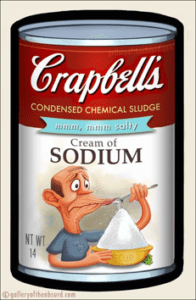
9. Salt Natural Terrain - What's In your soup?Salt is a mineral that is needed in small amounts by our cells (ie 1 g per day). The problem with processed foods is that salt is often used in higher amounts to enhance flavour. In this soup can there is over 730mg– almost enough for your entire daily allowance. Canadians eat about 3400 mg of sodium each day – more than double the amount we need. The problem with salt is that it can increase blood pressure. High blood pressure is a major factor in stroke and heart disease, one of the leading causes of death in Canada. There is also increasing evidence of links between high salt intake and stomach cancer, osteoporosis, obesity, kidney stones, kidney disease, vascular dementia and water retention. Salt can also exacerbate the symptoms of asthma, Ménière’s disease and diabetes5,6
10. Yeast extract Used as a food additive to improve taste, this product can contain glutamates (a product that is concentrated to make MSG) (see note on MSG in 3. Modified Corn Starch above). As such, foods that contain yeast extract cannot be labeled as MSG-free, though they do not have the same high levels of glutamate. However, it does also contain B vitamins that are beneficial so it may be up to you and your family to weigh the benefit of B vitamins vs the potential reaction to glutamates7
11. Flavour This is an important one. What does this mean? What type of flavour? Anytime you read this on a label you need to replace it with the word “chemical” because that is what it is. I would argue that it is not something you want to consume. See point 1 below for what the Environmental Working Group has to say about “natural flavour”
12. Potassium chloride (salt substitute) Didn’t we just add salt as ingredient #9 – is this a way to get around the sodium levels and make them even higher?Potassium chloride has been touted as being a salt substitute without the dangers of high sodium levels raising blood pressure and contributing to risk of heart attack and stroke. However for some people, ingesting more potassium can lead to excessively high potassium levels called hyperkalemia, with dangerous health consequences such as heart arrhythmias and even heart arrest. Risk factors that make a person more susceptible to dangerous hyperkalemia include having kidney failure, type II diabetes, Conn’s disease, bladder or kidney stones and most importantly, being on diuretics or other medications to lower blood pressure (such as ACE inhibitors, angiotensin II receptor blockers). For people with the above conditions it is wise to outright avoid high intake of both potassium or sodium salts- both of which are in this soup!8
13. Soy protein isolate Soy is highly genetically modified – an absolute avoid! This is also another contributor to MSG
14. Sauterne wine Wine?! In a soup given to children… maybe that is why I liked it so much – LOL! Seriously though, grapes are on the list of the 12 most heavily pesticide-sprayed foods (the dirty dozen), so you are getting an extra dose of chemicals in your soup.
15. Sea salt See comment under point 9. Don’t we have enough salt already? Is it necessary to add more? The food industry manipulates the amounts of either fat, sugar or salt in recipes so we become “addicted” to them. But, sea salt is good for you – right?! In minimal doses and not at the levels used in processed foods it might be.
16. Onion powder
17. spices
Which spices? Have they been irradiated? Most spices, along with many fruits, vegent-tables and meats, are irradiated to effectively inactivate bacteria that are resistant to antibiotics and to eliminate other contaminants. It’s a growing technology used to increase food safety and reduce food poisoning. However, questions regarding the consequences of irradiation have been raised, stating it could cause chromosomal damage to persons consuming it as well as reducing the nutritional value of foods.In 1997, the WHO along with the FAO (Food and Agriculture organization of the UN) concluded that food irradiated to any dose appropriate to achieve the intended food safety objective is both safe to consume and nutritionally adequate9. However the WHO does concede that many vitamins and nutrients are diminished in the process. The Oxford Journal of Clinic Infectious Disease points out that “because we are not yet able to identify which components of fruits and vegent-tables are beneficial in protection against some cancers, heart disease, and stroke, neither are we able to measure the effect irradiation has on these components.

Irradiated foods, when further processed by cooking or freezing, may have more vitamin loss than do non-irradiated processed foods.
Determining these effects is important and would have implications regarding full disclosure of nutrient content on labels. Furthermore, because of the concern that nutritional deficits increase susceptibility to or progression of some infections, the possibility still remains that irradiating food may predispose some people to certain infections.10

The conclusion by global food safety boards is that reducing food borne illness worldwide is a high priority that calls for continued irradiation, which unfortunately may then render our food nutritionally deficient. However there are many ways to ensure high food safety standards within your own home through proper storage, washing and preparation that will not reduce the nutritional value of your food.

1 An interesting and frightening note on “flavour” from the Environmental Working Group:

“The truth is that when you see the word “flavor” on a food label, you have almost no clue what chemicals may have been added to the food under the umbrella of this vague term. For people who have uncommon food allergies or are on restricted diets, this can be a serious concern.

In addition to the flavor-adding chemicals themselves, flavor mixtures often contain natural or artificial emulsifiers, solvents and preservatives that are called “incidental additives,” which means the manufacturer does not have to disclose their presence on food labels. Flavoring mixtures added to food are complex and can contain more than 100 distinct substances. The non-flavor chemicals that have other functional properties often make up 80 to 90 percent of the mixture.

Consumers may be surprised to learn that so-called “natural flavors” can actually contain synthetic chemicals such as the solvent propylene glycol or the preservative BHA. Flavor extracts and ingredients derived from genetically engineered crops may also be labeled “natural,” because the FDA has not fully defined what that term means. (Certified organic “natural flavors” must meet more stringent guidelines and cannot include synthetic or genetically engineered ingredients.)

The companies that make flavoring mixtures are often the same ones that make the fragrance chemicals in perfumes and cosmetics. EWG advocates full disclosure of fragrance ingredients and believes flavoring mixtures should be treated the same way.

EWG considers it troubling that food companies do not fully disclose their ingredients and use vague terms like “flavors.” Consumers have a right to know what’s in their food. We are also concerned that processed food makers manipulate flavors to whet people’s appetite for unhealthy foods and encourage overeating.11

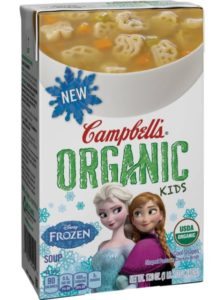
Natural Terrain - Organic SoupsCampbell’s itself has recognized the need for an overhaul of its ingredients and this year has introduced a line of organic soups. These are made with whole organic vegent-tables and sold in tetra-pack containers with no BPA. Campbell’s CEO Denise Morrison applauded consumers, “They want to know what ingredients are used in their food and where they come from”1

But that’s certainly not the only alternative. The healthiest way to have soup is to make it yourself. That way you avoid cans that may be lined with BPA and you know exactly what is going in and how much, starting with organic vegent-tables, nutrient rich bone broth and filtered water. Whether eating homemade or other selections of prepared foods, look for some of the following replacements of the other ingredients in Campbell’s traditional soup:

INGREDIENT IMPROVEMENT
1. Water Ensure the water is from a filtered source. Incorporate bone broth that has been adequately boiled. See Dr. Mercola’s article for the benefits of bone broth:

http://articles.mercola.com/sites/articles/archive/2013/12/16/bone-broth-benefits.aspx
2. Mushrooms
3. Modified Corn starch Avoid this ingredient altogether
4. Canola or soybean oil Organic extra-virgin olive oil
5. Wheat flour
6. Corn starch
Because these are used as thickeners, you can use organic unbleached wheat flour to replace both. Arrowroot and tapioca are gluten-free alternatives, but best to ensure they are organic.
7. Cream To avoid the accumulation of hormones and antibiotics in milk, you can use organic cream. However, a completely dairy-free option is to try organic coconut milk in the soup, in a smaller amount. The flavor profile of the soup will shift, but is equally rich and hearty. Ensure your coconut milk source is free from guar gum and BPA. One ‘safe’ brand of coco milk is Native Forest. You can also make your own coconut milk from organic coconut flakes using a blender andcheesecloth12 https://www.youtube.com/watch?v=fpxPoizVT9c&hd=1
8. Buttermilk powder Flavour and consistency replacement of buttermilk powder can be obtained by the alternatives to corn starch and cream, above, so that buttermilk itself can be eliminated
9. Salt Use in smaller amount – only use sea salt
10. Yeast extract Flavour enhancement can be achieved with sea salt. Nutritional yeast is another form of deactivated yeast that will also add flavour and B vitamins and has significantly less glutamate than MSG flavour-enhancers
11. Flavour Eliminate as ‘natural flavours’ contain synthetic chemicals
12. Potassium chloride (salt substitute) Eliminate as already included as ingredient 9
13. Soy protein isolate This is added for protein and consistency. Leave this out and add cooked organic beans or lentils to the soup to get natural whole-food protein
14. Sauterne wine Use an organic white wine, low in sugars and preferably sulfite-free.
15. Sea salt Eliminate as already included as ingredient 9
16. Onion powder
17. spices
Organic dried sources of spices are not irradiated. The best way to know how clean your herbs are is to grow your own and add fresh.Look for an ingredients list that lists actual spices used so you know it can’t contain hidden ‘flavours’ or additives.

There are ways to make healthy choices whether cooking more at home or simply knowing what to avoid when choosing pre-made foods. Learn about the ingredient lists in your shopping cart to make a healthy diet easier for you and your family.

References:

  1. http://www.nj.com/business/index.ssf/2014/07/campbells_to_launch_organic_soups_in_effort_to_rebuild_earnings.html

2. http://saveourbones.com/12-dangerous-ingredients/

3. http://www.cbc.ca/news/canada/new-brunswick/herbicide-chemical-glyphosate-probably-carcinogenic-who-agency-finds-1.3018545

4. http://drhyman.com/blog/2010/06/24/dairy-6-reasons-you-should-avoid-it-at-all-costs-2/#close

5. http://www.hc-sc.gc.ca/fn-an/nutrition/sodium/index-eng.php

6. http://www.actiononsalt.org.uk/salthealth/

7. http://www.healthline.com/health/food-nutrition/is-yeast-extract-bad-for-me

8. http://www.ncbi.nlm.nih.gov/pmc/articles/PMC1124926/

9. http://www.nfid.org/links/irradiation-foodborne-disease/steele.html

10. http://cid.oxfordjournals.org/content/33/3/375.full

11. http://www.ewg.org/research/ewg-s-dirty-dozen-guide-food-additives/fda-failed-us#flavors

12. https://www.youtube.com/watch?v=fpxPoizVT9c&hd=1

The Beauty of Defeat

Yesterday was the 21st anniversary of my suicide attempt. I’ve written about this before, but this year I have been writing my book and in this process I have been reviewing my journals. It is no coincidence that last week, I was reading my journal from 1994 (age 27) when my struggle into darkness seemed impossible to emerge from. I think I have had the experiences I have had, the struggle of coming to the place of understanding & acceptance and the pain of feeling ostracized my entire life in order to learn to accept myself. For me – being adopted into a family some of whom weren’t as open to the idea of adoption (on my dad’s side) when they said to my parents – “Well, blood is thicker than water….”…this contributed to my feeling like I never “fit” anywhere – especially being adopted into a Norwegian family full of blonde haired, blue-eyed beauties. All of this was necessary for me to learn forgiveness ultimately of myself and others.

In school, I was always highly sensitive, shy and teased. Then my plunge into the depths of depression, anxiety and bulimia were all hard pills to swallow. These mental health labels were something I hid. It has been a secret that is deep, dark and covered in lots of stigma, shame, discomfort, taboo, lack of acceptance and denial. They are my “shadow” sides1 – the disowned parts of myself that I didn’t like, love or accept.

For the past 30 years, I have been working on accepting these aspects of myself and learning to love those parts of myself that I don’t want to look at – that I shun, disbelieve and deny – essentially, I have been acknowledging my shadows.

With the writing of my book, where I unveil all my truth – and risk all my greatest fears – fears of ostracism, misunderstanding, judgment and stigmatization – I reclaim these denied aspects of my soul that need as much love as the rest of me. I have been scouring my journals from 1984-2014 – and I found it fitting that last week I stumbled across the last entries I made in my journal before attempting suicide – here is what I wrote:

February 24, 1994:
I am home today (at Mom’s) – took a day of bereavement leave for my Grandma’s (on my Dad’s side) funeral and I will go to the memorial service tomorrow. Last night and today I almost feel depressed!! I think it is because I am worn out, tired, sick with a cold (still), lonely, confused about the future etc. As far as work goes, I haven’t had a chance to enjoy anything because I’ve been stressed with mutual funds. My colleague is picking the shit out of me, going through my papers and things, but soon it will be better when I have the time to do what I want. I must try hard to maintain the correct balance – don’t overwork yourself, try to get to work by 7-7:30am and leave by 5:30-6pm in order to do your workout and things for yourself like write, sew, decorate, visit friends, etc. I think I’m feeling really single at the moment, but you know that it doesn’t matter – you have to be comfortable with yourself & love yourself & then you’ll meet the right person. Its not that I am “miss picky” – it is just that I know the importance of finding a “soul mate”. Don’t worry about things Chris, you’ll be fine, look forward & up with a smile on your face & in your heart!

Next entry: March 20, 1994
Well, work is still stressful, but getting somewhat better. It is frightening what I don’t know, but it’s just as frightening to see the way the Branch operates. Oh well, things will get better – just remember that you can’t do it all in one day! Be patient, work hard, but also relax and enjoy yourself. Sweet dreams Christabelle! Remember who loves you the most and always will xoxo

Next entry March 31, 1994
I’m really not digging my job – I can’t stand the disorganization, how long it takes to do one thing, lack of support. The person I replaced was a jerk. Things just seem to get dumped on you – I can’t seem to get ahead. My time doesn’t feel like my own. Solutions? Suicide! Quit your job! No, come on Chrissy, you can do it – have an attitude adjustment & be positive. It will just take time before everything comes together. Make out your to-do lists and try to stick to them.

Next entry: June 5, 1994
Well, it’s been two months since I’ve written and things haven’t been going that great. I’m still very unhappy with life, my job, etc and I can’t seem to figure out what is the problem. I am definitely depressed. I’ve been to Dr. Remick who put me on an anti-depressant (Zoloft) which has helped a bit, but not a lot! I have to try and figure out why/what it is that’s making me feel this way. Is it work? Do you like what you do? Can you even answer that question? I’m not thrilled with the Branch Manager or the other Commercial Lender. I don’t really trust them, especially when they go behind my back and authorize commercial deals that I’ve just declined without even explaining it to me so I can learn.

Is it your love life? What love life! Well, not really because I’m not ready for anyone serious right now. I’m not interested in physical contact – the companionship would be welcomed, but it’s not really that.

What about the fact that you’ve been wanting to take your life! You have to make a decision either way – you make your life better by changing what is bothering you – or you give up. To give up is a cop out, I suppose, but it seems like a pretty good option at times. Over the past 8 weeks you’ve been trying to think of other career opportunities – cop, teacher, your own business or Outward Bound, but nothing has really happened – you haven’t come to any conclusions except you want to quit your job. But why?! Do you hate banking? What would be more along your lines – health, nutrition, helping others? I wish I never decided to do a Commerce degree and go into business/banking. Well, no decisions have come now with this writing. I may or may not talk to you later depending on how things unfold. Don’t compare yourself to others; just do the best you can do. Maybe you should go in and talk to the Branch Manager – tell him how much you hate your position right now. Maybe I am in over my head – Ask him what he thinks I should do?

And that was it. I never talked to anyone about how I was feeling. That the thoughts of self-doubt had been plaguing me for 6 months – thoughts that constantly told me: I wasn’t good enough, I was stupid, I was a loser, I was not worth the breath I was breathing, etc. Four days later, I tried to kill myself. I consider June 9, 1994 like my birthday. It is the day I woke up and started the process of acceptance of myself which has been unraveling for the last 21 years. Given the amount of poison I consumed, I really should not be here. I realize that no one leaves the planet until God decides it is time, and you’ve passed the tests that you’ve come here to learn. I’m still learning to love myself and others, to be open to all possibilities, to let go of my fears, to go deep into the darkness and from this, I know that all will be what it will be in the end – and it is beautiful. All of it. May you continue to see the beauty in your life – and may you be able to see the beauty or gifts in the pain you endure.
My heart will always go out to you.

Reference:
1. Ford, Debbie; Chopra, Deepak and Williamson, Marianne: “The Shadow Effect: Illuminating the Hidden Power of Your True Self” (May 3, 2011)

Because your life depends on it

Today in the Natural Terrain clinic I spent some time with a woman with an incredible story that more than made my day. She was humble and appreciative, quietly thanking me for helping her prepare for her treatment. When I asked how she had injured her shoulder, this unassuming woman unfurled a beautiful and touching story of her unpredictable recovery from a near-fatal brain hemorrhage and serious fall.

“It was like a gunshot at the back of my head,” she said. “It came forward and my world turned upside down. And I thought, ‘This is it. I’m dying’”.
She told me of the day it happened and of the serendipitous events that allowed her to get the treatment she needed to survive. She was one of the small fraction that survive with good recovery and little to no neurological impairment. Her neurologist was astounded. She did, however, suffer months of pain in quiet and darkness in order to let her brain rest and heal. When I asked what got her through it she said, “I just decided I was going to get better,” rather matter-of-factly. “There was a voice I heard that said, ‘I don’t want to die. I have so much I’ve put off”. The incredible power of the mind in healing and recovery was made proof in her being there, sitting and speaking plainly to me as if nothing of the sort had happened to her less than one short year ago.

But what impressed itself upon me most about her story was not just her survival but how she was changed. I asked her if he was a busy person before the event and she replied by calling herself “stupid busy”. She described a pre-hemorrhage life full of worry and people-pleasing. She was on medication to bring her blood pressure down amidst the stress and anxiety of career, projects and obligations for others. One day it was out of control and she was sent a serious message to slow down, by way of a trip in the ambulance to the ICU. I mentioned to her Dr. Gabor Maté’s book “When the Body Says No” and his work showing how the body gives us signs to slow or stop until it stops for us- through serious illness. When we learn to say no, learn to express our anger, learn to do things for ourselves, only then do we start to heal and prevent chronic and acute diseases. She agreed wholeheartedly, saying “that’s just it. I was doing things without considering myself. And now I just don’t. I don’t see people I don’t like or that pressure me. And I don’t feel guilty because I could be dead. It’s as simple as that”. She willed herself to get better, to love the people she wanted to love, to self-publish a book that had been waiting for 30 years, dropped the unnecessary stress and has been able to live hopefully another healthy 20 years with the love of her life.

A feeling welled up inside me as I said goodbye after her treatment and I will call it inspiration. She’s right. It is as simple as that; we could all be dead. Life has no guarantees for us but mistakenly we put off living today for the promise of an improved tomorrow. We put off standing up for ourselves to avoid conflict. We swallow our anger to be likeable. We stifle our individual creativity and our dreams to fit in with those around us. We play it safe to avoid uncertainty. But today as I heard the story of the message she received loud and clear from her body, I was inspired to look at myself and really see where the messages are for me. I made a conscious agreement to act with more self-compassion, more self-love and more self-consideration. I give myself permission to listen to my body and my inclinations when I feel I should put myself first, to live in the present moment, and to direct my life in a healthy, mindful way. Because eventually it could save my life.